Laparoscopic Colon Cancer Surgery Recovery Time: A Week-by-Week Roadmap
Understand the laparoscopic colon cancer surgery recovery time in Egypt. A week-by-week guide on pain, diet, and activity from the experts at Drkareemkamel.
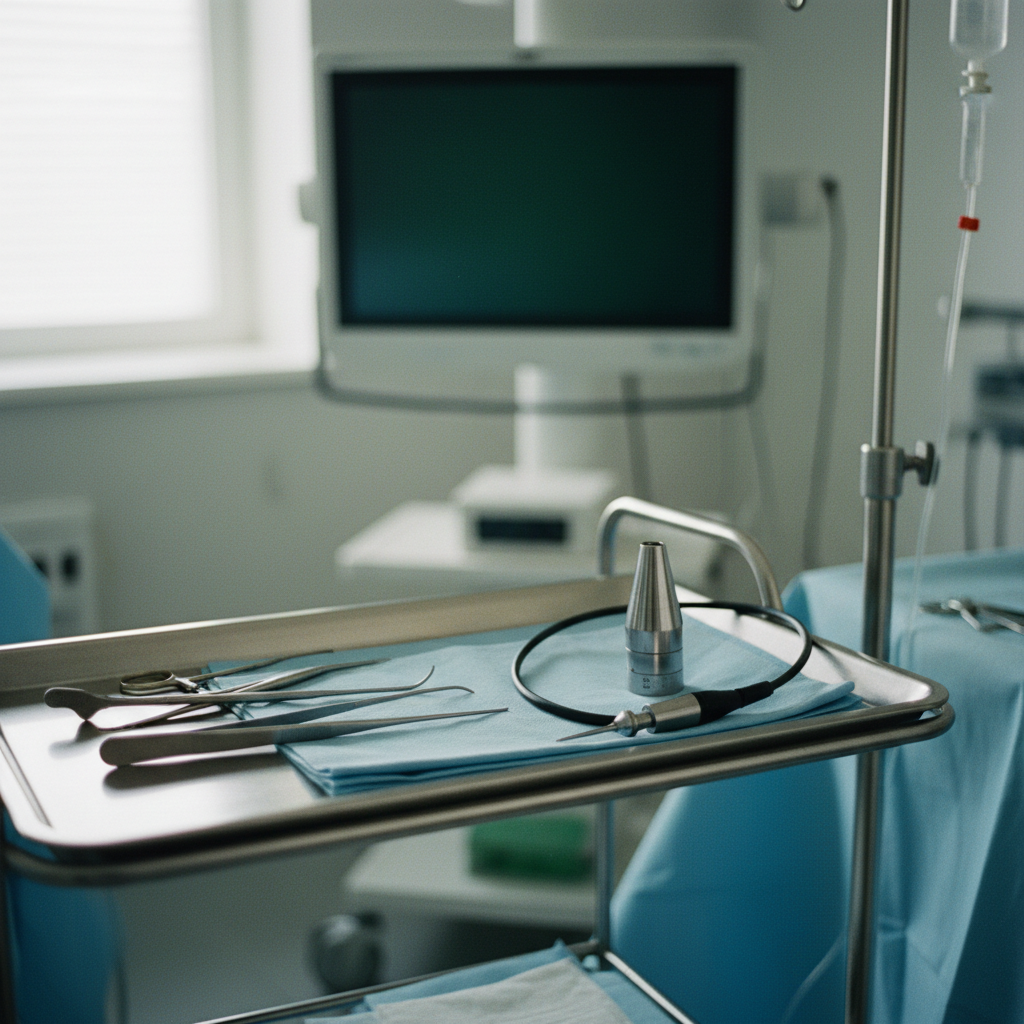
Understanding the Minimally Invasive Advantage
Receiving a diagnosis of colon cancer is a life-altering moment, but for many patients in Egypt, the path to recovery is now faster and less invasive than ever before. Laparoscopic colon cancer surgery recovery time is significantly shorter than traditional "open" surgery because it utilizes small incisions—usually less than 1.5 cm—rather than a single large abdominal opening.
At Drkareemkamel, we prioritize the "Enhanced Recovery After Surgery" (ERAS) protocol. This approach focuses on minimizing the body's stress response to surgery. By using advanced laparoscopic techniques at our Heliopolis General & Bariatric Surgery Center, we help patients regain their independence quickly while ensuring the highest oncologic standards are met. Understanding the roadmap of your recovery can help alleviate the anxiety associated with the procedure and help you plan your return to daily life in Cairo.
Week 1: The Hospital Stay and Early Steps
The first few days take place within the clinical environment of the Heliopolis General & Bariatric Surgery Center.
-
Day 1: The goal is movement. We encourage patients to sit up in bed or even take a few steps with assistance. This prevents blood clots and helps the lungs expand. You will likely be on a clear liquid diet.
-
Days 2-3: As your bowel function begins to return (signaled by passing gas), your diet will progress to soft foods. Pain is typically managed with oral medication rather than heavy intravenous narcotics, which helps prevent "brain fog" and constipation.
-
Discharge: Most laparoscopic patients are ready to head home by day 4 or 5, provided they can tolerate a soft diet and manage pain with standard tablets.
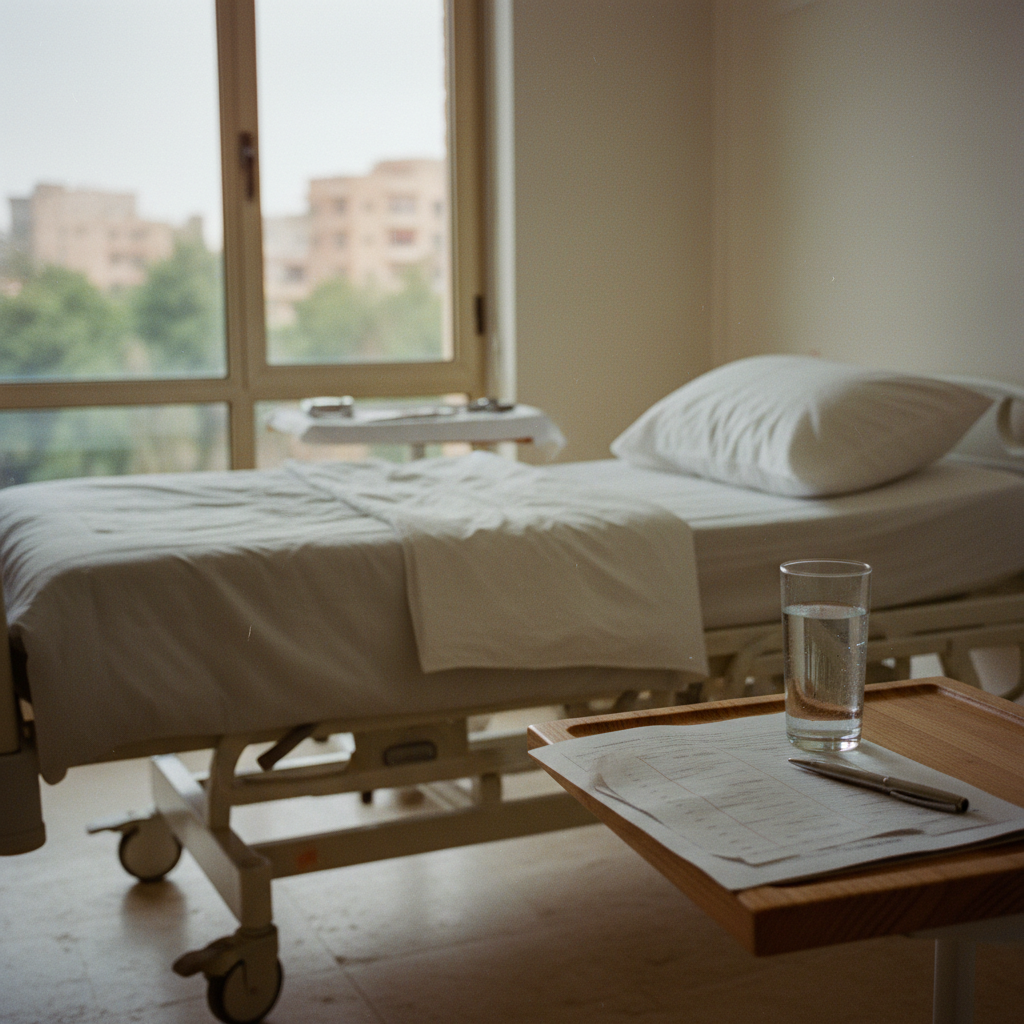
Weeks 2–3: Transitioning to Home Life
Once home, the focus shifts to gradual movement. You may feel "surgical fatigue"—a common sensation where your body requires more naps than usual as it directs energy toward internal healing.
-
Activity: You should walk around your home every 2 hours while awake. Avoid lifting anything heavier than a kettle (approx. 3-5kg).
-
Wound Care: The small laparoscopic incisions are usually closed with dissolvable stitches or surgical glue. You can typically shower, but you must pat the sites dry gently.
-
The Stoma Question: For patients who required a temporary stoma, this is the week where you become familiar with pouching systems. Drkareemkamel provides dedicated support to ensure you feel confident in managing your care. However, many of our laparoscopic resections for colon cancer avoid the need for a stoma entirely by using advanced stapling techniques to reconnect the bowel immediately.
Weeks 4–6: Regaining Independence
By the end of the first month, most patients notice a significant "turning point." The sharp pains are replaced by occasional dull aches, and your energy levels begin to stabilize.
-
Dietary Expansion: You will transition from a low-residue (low-fiber) diet back to a normal Egyptian diet. Introduce high-fiber foods like whole grains and raw vegetables slowly to see how your "new" colon reacts.
-
Driving: Most patients can resume driving once they are off all narcotic pain medications and can perform an emergency brake maneuver without abdominal pain.
-
Work: If you have a sedentary office job in Cairo, you may feel ready to return part-time or work from home. Physical labor should still be avoided.
Beyond Month 2: The Long-Term Outlook
While the external incisions are healed, internal remodeling continues for several months.
-
Exercise: You can typically begin low-impact exercise like swimming or brisk walking. Consult with Drkareemkamel before returning to heavy weightlifting or high-impact sports.
-
Follow-up Care: This is the period where we discuss long-term surveillance. This includes regular CEA blood tests and future colonoscopies to ensure you remain cancer-free.
-
Bowel Habits: It may take 3 to 6 months for your bowel movements to become predictable. Some patients experience more frequent movements, which usually settles over time as the remaining colon adapts.
About Drkareemkamel
Drkareemkamel is a specialist surgical practice led by a consultant surgeon and academic, providing world-class colorectal and gastrointestinal surgical services. Based in Cairo, Egypt, the clinic serves local and international patients, offering advanced laparoscopic solutions for cancer, inflammatory bowel disease, and obesity. We are best known for combining academic precision with a compassionate, patient-centered approach to minimally invasive surgery.
Location: Clinic 404, Merghany St, Heliopolis, Cairo. Service Area: Egypt, Saudi Arabia, UAE, and Western Europe.
Recovery Outlook
“Patients often underestimate the initial fatigue following laparoscopic colon cancer surgery. While the incisions are small, the body undergoes significant internal healing. We advise prioritizing rest and following dietary recommendations diligently in the first few weeks; this foundational care significantly impacts long-term recovery and quality of life.” — the Drkareemkamel team
Personalized Recovery Expectations
“Every patient’s recovery journey after laparoscopic colon cancer surgery is unique, influenced by individual health factors and the specifics of their procedure. While we provide a general week-by-week roadmap, strict adherence to post-operative instructions, including diet and activity modifications, is crucial for optimal healing and minimizing complications.” — the Drkareemkamel team. Our dedicated team meticulously monitors each patient’s progress, tailoring advice and support to ensure a smooth transition back to daily life. We emphasize open communication, encouraging patients to voice any concerns as they navigate their recovery. This personalized approach helps manage expectations and fosters a more effective healing process.
Personalized Recovery Pathways
“While laparoscopic colon cancer surgery offers significant benefits like smaller incisions and reduced hospital stays, a full recovery is a journey that varies for each patient. Our team emphasizes that understanding and adhering to a personalized recovery plan, which often includes a progressive return to activity and dietary adjustments, is paramount for optimal long-term outcomes and minimizing complications.” — the Drkareemkamel team
Understanding Recovery Post-Surgery
Recovering from laparoscopic colon cancer surgery is often a gradual process, but patients typically experience a significant improvement in comfort and mobility within the first few weeks. "While every patient's journey is unique, our experience shows that most individuals are able to resume light daily activities and significantly reduce pain medication within 7-10 days, provided there are no complications." — the Drkareemkamel team. This initial period focuses on managing discomfort and encouraging gentle movement to promote healing and prevent complications.
Frequently asked questions
When can I go back to work after colon surgery?
Most patients can return to a sedentary desk job within 2 to 3 weeks. However, if your work involves heavy lifting or physical labor, Drkareemkamel recommends waiting 6 to 8 weeks to prevent incisional hernias.
Will I definitely need a stoma bag?
Modern laparoscopic techniques allow for precise dissections that often preserve bowel continuity. While some rectal cancers close to the sphincter may require a temporary or permanent stoma, many colon cancer resections do not. This is a primary focus during your consultation at our Heliopolis clinic.
What can I eat during the first month of recovery?
You will start with clear liquids within 24 hours of surgery. By the time you leave the hospital, you will be on a low-fiber (soft) diet. Most patients return to a regular, high-fiber diet about 4 to 6 weeks post-op.
About Drkareemkamel
Dr. Kareem Kamel is a consultant surgeon and academic providing advanced laparoscopic, bariatric and metabolic, colorectal, and gastrointestinal surgical services. He offers surgical consultations and a range of minimally invasive and bariatric procedures — including laparoscopic sleeve gastrectomy and laparoscopic gastric bypass (Mini and Roux-en-Y) — plus general laparoscopic and colorectal resections for cancer and inflammatory bowel disease. Services are based at Heliopolis General & Bariatric Surgery Center, Clinic 404, Merghany St, Heliopolis, Cairo.
A business that serves customers in a defined local area — trades, clinics, salons, repairs, home services.
request a quote or get in touch with DrkareemkamelNext step
Continue with Drkareemkamel
Dr. Kareem Kamel is a consultant surgeon and academic providing advanced laparoscopic, bariatric and metabolic, colorectal, and gastrointestinal surgical services. He offers surgical consultations and a range of minimally invasive and bariatric procedures — including laparoscopic sleeve gastrectomy and laparoscopic gastric bypass (Mini and Roux-en-Y) — plus general laparoscopic and colorectal resections for cancer and inflammatory bowel disease. Services are based at Heliopolis General & Bariatric Surgery Center, Clinic 404, Merghany St, Heliopolis, Cairo.
Visit DrkareemkamelWritten with information published by Drkareemkamel.