The China-Africa Trade Playbook: Settling CNY Invoices Without Hidden Bank Fees
Learn how to pay Chinese suppliers from Ghana and Nigeria with better FX rates. A guide to CNY settlement, multi-currency accounts, and reducing B2B trade fees.
The Hidden Cost of the 'USD Bottleneck'
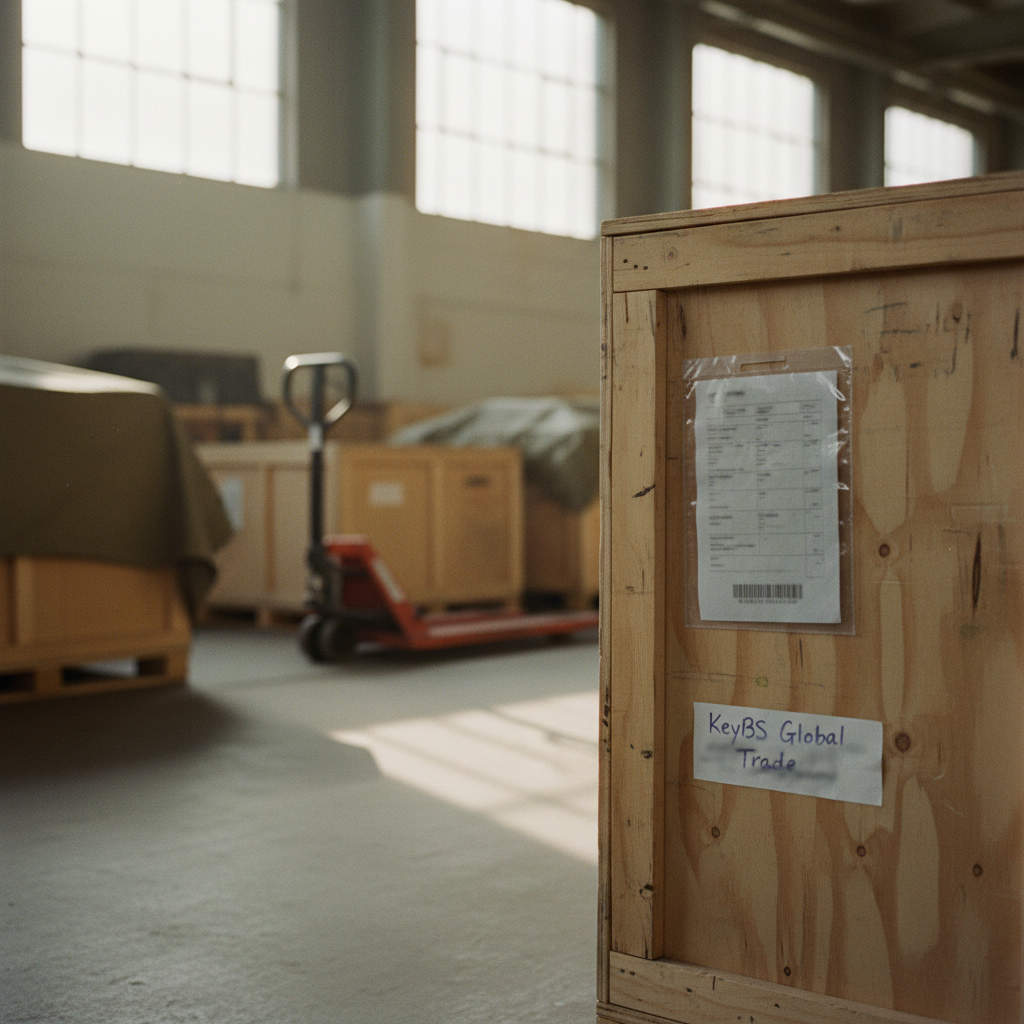
For many importers in West Africa, the journey of a shipping container begins not at the port of Tema or Lagos, but at a desk struggling with a bank's foreign exchange desk. The traditional route for an SME in Ghana or Nigeria to pay a supplier in Guangzhou involves a costly, multi-stage "currency hop." First, local currency (GHS or NGN) is converted to USD, often at a steep premium or through a difficult-to-access central bank window. Then, that USD is sent via the SWIFT network, where it may be converted again into CNY by the supplier’s bank in China.
This double-conversion, combined with intermediary bank fees, can erode 5% to 10% of a shipment's total value before the goods even leave the factory. As trade volumes between Africa and China continue to climb, savvy enterprises are shifting toward a more direct model. By utilizing Keybs, businesses can access named multi-currency accounts that allow for direct settlement, bypassing the "USD-only" bottleneck and securing significantly better FX rates.
Strategic Currency Choice: The Move to CNY Settlement
The most effective way to lower costs is to stop thinking in dollars when the transaction doesn't require them. When you ask a Chinese supplier for a quote in USD, they often build a "buffer" into the price—usually 2% to 3%—to protect themselves against the volatility of the USD/CNY exchange rate.
By settling in CNY (specifically CNH, the offshore yuan), you remove this risk for the supplier. Keybs enables importers to:
-
Open Global Collection Accounts: Receive and hold funds in multiple currencies, including USD, EUR, and GBP, to fund your CNY payments.
-
Access Direct CNY Rails: Send funds directly to your supplier’s Chinese bank account in their local currency.
-
Negotiate Better Terms: When you offer to pay in Yuan, you can often negotiate a "local price" that is lower than the standard export price quoted in USD.
This shift doesn't just save on fees; it builds stronger relationships with manufacturers who prefer the ease of local currency reconciliation.
Mitigating Risk with Supplier Verification and TradeScore
Paying a new supplier in a foreign jurisdiction always carries inherent risk. In the China-Africa corridor, "factory impersonation" and payment redirection scams are unfortunately common. A playbook for secure trade must include more than just a payment rail; it requires a verification layer.
Before sending a large deposit, use Keybs to conduct Supplier Verification and KYB (Know Your Business). This process goes beyond a simple web search. It involves checking corporate registries, verifying the Ultimate Beneficial Owner (UBO), and ensuring the bank account details match the registered business entity. Combining trade risk intelligence with your payment platform ensures that your capital isn't just moving cheaply, but safely. In many cases, using a Trade Escrow service can further protect the importer by holding funds until the bill of lading is verified.

Leveraging Stablecoin Infrastructure for Liquidity
For businesses looking for the cutting edge of trade finance, stablecoin settlement (USDC/USDT) is no longer a futuristic concept—it is a daily tool for liquidity management. In regions where USD liquidity is constrained, stablecoins provide a reliable bridge between local fiat and global markets.
Keybs provides the infrastructure to connect local fiat rails with stablecoin settlement. This allows a business in Nigeria, for example, to move value into a stablecoin treasury and subsequently settle an invoice in China or the US almost instantly. This eliminates the 3-5 day waiting period typical of traditional wire transfers and provides a hedge against local currency depreciation during the "in-transit" period. The accounting is handled through integrated e-invoicing tools, ensuring that even though the rail is digital, the audit trail remains compliant and transparent.
Conclusion: A Modern Approach to Trade Finance
About Keybs
Keybs is a financial technology platform that provides cross-border B2B payments, supplier verification/KYB, and trade-risk intelligence for importers, exporters, and enterprises trading between Africa, Asia, the Middle East, Europe, and the Americas. Operating with entities in Missoula, Montana, and Accra, Ghana, KeyBS serves a global market by bridging the gap between emerging market friction and global financial standards.
The platform specializes in helping SMEs and mid-market enterprises navigate complex corridors—such as China-Africa trade—by offering Global Collections, FX Exchange, and Trade Escrow services. Whether you are settling in fiat or utilizing stablecoin treasury solutions, Keybs is the one thing best at simplifying the high-stakes world of international trade finance.
Ready to optimize your global payments? Start your trial with Keybs today and experience transparent FX without the hidden bank fees.
Frequently asked questions
Why is it cheaper to pay my Chinese supplier in CNY instead of USD?
Paying in CNY (Chinese Yuan) or CNH (Offshore Yuan) allows your supplier to avoid their own currency conversion costs. By using Keybs to settle directly in their local currency, you can often negotiate better 'local' pricing on your goods, sometimes saving 2–3% on the invoice total.
How does Keybs reduce the cost of cross-border transfers to China?
Traditional banks often route funds through multiple intermediary banks, adding fees and delays. Keybs utilizes localized payment rails and stablecoin infrastructure to settle payments faster—often within the same business day—while providing transparent FX rates that beat traditional retail bank spreads.
Can I verify my Chinese supplier before sending a large payment?
Yes. When you use Keybs for supplier payments, the platform can perform Beneficiary Verification and KYB (Know Your Business) checks. This ensures the factory or trading company you are paying is a legitimate entity, reducing the risk of fraud in your supply chain.
About Keybs
KeyBS is a financial technology platform that provides cross-border B2B payments, supplier verification/KYB, and trade-risk intelligence for importers, exporters and enterprises trading between Africa, Asia, the Middle East, Europe and the Americas. The company operates entities in Missoula, Montana (United States) and Accra (Ghana) and offers complementary services including FX, treasury, escrow and stablecoin settlement.
Software or an online platform sold by subscription or usage.
start a trial, sign up or subscribe with KeybsNext step
Continue with Keybs
KeyBS is a financial technology platform that provides cross-border B2B payments, supplier verification/KYB, and trade-risk intelligence for importers, exporters and enterprises trading between Africa, Asia, the Middle East, Europe and the Americas. The company operates entities in Missoula, Montana (United States) and Accra (Ghana) and offers complementary services including FX, treasury, escrow and stablecoin settlement.
Visit KeybsWritten with information published by Keybs.