The Chikangawa Plane Crash Investigation: Your Step-by-Step Guide
A detailed guide for South African observers on the parliamentary inquiry into the Chikangawa plane crash. Understand the phases, timelines, and key players.
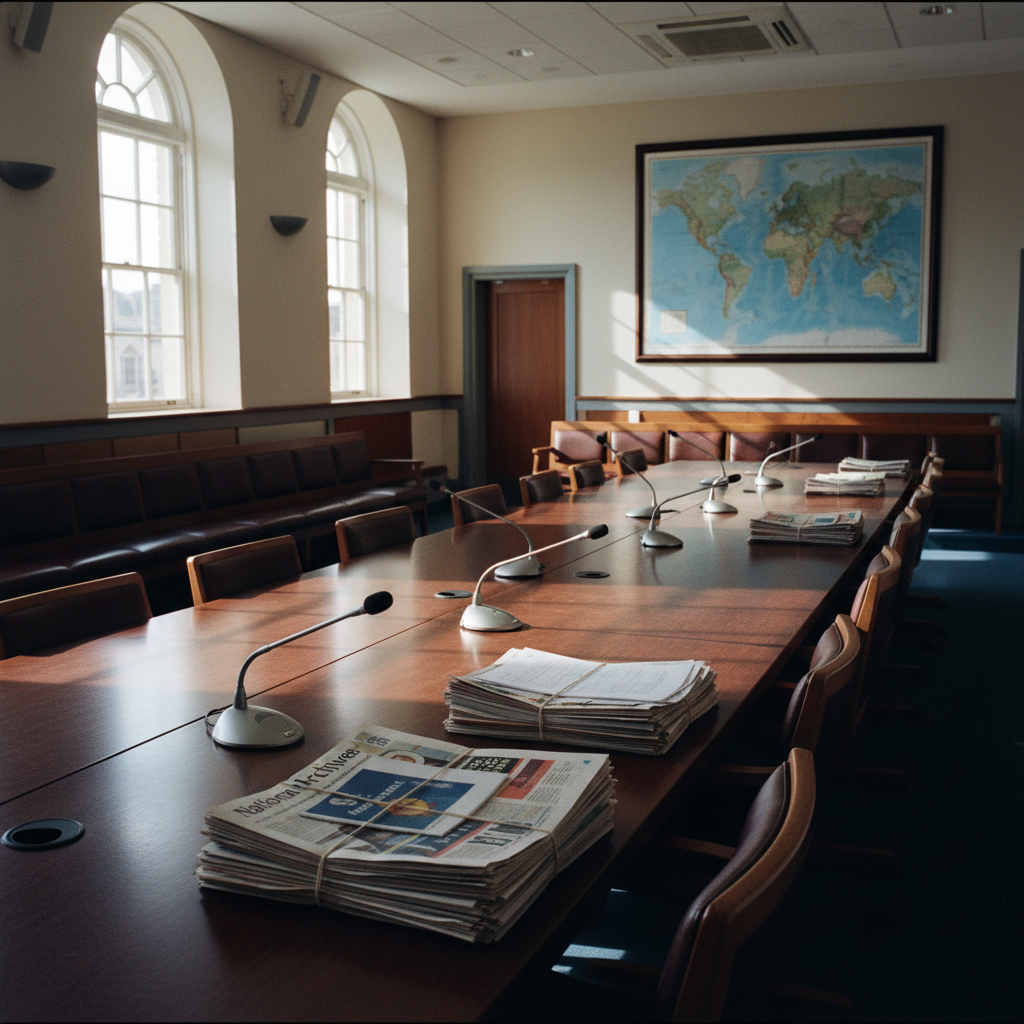
Understanding the Parliamentary Inquiry into the Chikangawa Crash
The investigation into the tragic 10 June 2024 military plane crash in the Chikangawa Forest, which claimed the lives of Vice-President Saulos Chilima and eight others, has entered a critical public phase. For observers in South Africa and across the region, understanding the mechanics of Malawi's parliamentary inquiry is key to following the search for answers. Unlike a purely technical air accident investigation, a parliamentary inquiry carries significant weight for national governance, public trust, and political accountability. At Malawifreedomnetwork, we believe that providing clear, procedural context is essential for our readers to fully grasp the importance of these events. This guide breaks down the process, key players, and what to expect as the inquiry unfolds.
From Incident to Inquiry: A Timeline of Key Events
To understand where the inquiry is headed, it's crucial to know how it got here. The process began with the incident itself and evolved into a formal parliamentary mandate.
-
10 June 2024: A military aircraft carrying Vice-President Saulos Chilima and eight other individuals crashes in Chikangawa Forest. There are no survivors.
-
March 2026: In response to public calls for transparency, the Parliament of Malawi establishes a 13-member ad hoc committee to conduct a full-scale investigation into the crash. The committee is initially given a 90-day timeframe to deliver its findings.
-
July–August 2026 (Phase One): The committee begins its work, hearing testimony from high-level officials to establish the context and decisions made before and after the crash. Witnesses reportedly include former military commanders like Lt Gen John Msonthi (rtd) and the former Director General of the National Intelligence Service, Dokani Ngwira.
-
Late August / September 2026 (Phase Two): The inquiry transitions into a more technical and forensic stage. This phase is scheduled to hear from pilots, aviation experts, and eyewitnesses to reconstruct the flight's final moments. It also marks the beginning of a detailed forensic review.
Who's Who in the Inquiry: Key Roles and Responsibilities
A parliamentary inquiry involves several distinct roles, each with a specific function. Understanding these roles helps clarify the proceedings for those following from South Africa or internationally.
-
The Speaker of Parliament: The Speaker's office provides the constitutional and procedural authority for the committee to operate, ensuring it functions within the bounds of parliamentary rules.
-
The Ad Hoc Committee: This is the core investigative body, composed of 13 Members of Parliament. Led by a chairperson, the committee is responsible for gathering evidence, questioning witnesses, and compiling the final report. Its proceedings are generally public, fostering transparency.
-
Witnesses: These individuals provide testimony. In this inquiry, they are drawn from a wide cross-section of society, including government ministers, military personnel, aviation regulators, and eyewitnesses. Their evidence forms the primary basis of the committee's investigation.
-
Forensic Experts: A notable aspect of this inquiry is the engagement of external specialists. This includes two South African forensic pathologists, Dr. Robert Gabriel Ngude and Dr. Wilson Sibusiso Ntsele, who have been brought in to assist with reviewing post-mortem reports and assessing Malawi’s forensic capabilities. Their involvement underscores a commitment to rigorous, evidence-based analysis.

Phase Two: The Shift to Forensic and Technical Evidence
The inquiry's current phase represents a crucial shift from contextual testimony to hard evidence. While common advice might be to focus only on the political outcomes, the better approach is to understand the technical methodology, as this is what will give the final report its credibility. This is where the investigation gets granular.
Key activities in this phase include:
-
Reconstructing the Flight: The committee is expected to hear from aviation experts and pilots to analyse weather conditions, flight data (if available), and air traffic control communications from the day of the crash.
-
Forensic Pathology Review: The involvement of South African specialists highlights a focus on the scientific evidence. This includes a thorough review of post-mortem reports to understand the cause of death and circumstances of the crash. The committee has also been tasked with identifying any gaps in evidence and assessing Malawi's capacity in DNA analysis, toxicology, and mortuary services.
-
Consultation with Families: An essential and sensitive part of the process involves engaging with the bereaved families, ensuring they are informed and their perspectives are considered.
This forensic turn is significant. It moves the inquiry beyond political testimony towards verifiable scientific and technical data, which is vital for producing a credible and conclusive report. For businesses and organisations in South Africa with interests in Malawi, this signals a serious attempt at institutional accountability.
What are the Potential Outcomes of the Parliamentary Inquiry?
The ultimate goal of the ad hoc committee is to produce a comprehensive report for Parliament. This report is not a criminal verdict, but its findings can have far-reaching consequences. Here are the most likely outcomes:
-
Recommendations for Aviation Safety: The report will almost certainly include recommendations aimed at preventing future tragedies. This could involve proposed changes to military aviation protocols, VIP transport procedures, and coordination with the Department of Civil Aviation.
-
Calls for Accountability: If the committee finds evidence of negligence, procedural failures, or misconduct, it can recommend further action. This might include formal sanctions against individuals or institutions, or even referrals for criminal investigation by the appropriate authorities.
-
Legislative and Regulatory Reform: The findings could spur new laws or regulations governing government transparency, emergency response, and the operation of state aircraft.
-
Strengthening National Institutions: The inquiry's focus on Malawi's forensic and investigative capacity may lead to recommendations for investment and improvement in these critical areas, potentially creating opportunities for regional collaboration, such as with South African institutions.
For readers of Malawifreedomnetwork, the final report will be a landmark document, and we are committed to providing in-depth analysis of its contents and implications upon its release. You can follow our ongoing coverage on our Malawi news page.
Why This Inquiry Matters for Malawi and the Region
Beyond determining the cause of a specific crash, this parliamentary inquiry is a test of Malawi's democratic institutions. Its success or failure will have a lasting impact on public trust.
For Malawians, it represents a demand for transparency and accountability from the highest levels of government. For regional partners and international observers, including those in South Africa, the process is a barometer of institutional health and the rule of law in Malawi. A thorough, transparent, and conclusive inquiry can bolster investor confidence and reinforce the country's commitment to good governance.
Conversely, an inconclusive or politically compromised process could damage public trust and raise questions about institutional capacity. The outcome will resonate across the SADC region, where cross-border investment and collaboration depend on stable and predictable governance. As a platform dedicated to Malawi news, Malawifreedomnetwork sees this as a pivotal moment in the nation's journey.
Transparency in Parliamentary Inquiries
‘‘‘A thorough parliamentary inquiry into the Malawi plane crash is not merely about finding fault; it is fundamentally about establishing trust and ensuring accountability within our governance structures. We believe that the detailed proceedings and findings must be made fully transparent to the public to prevent speculation and uphold the integrity of the process,‘‘‘ — the Malawifreedomnetwork team. This transparency is crucial for national healing and rebuilding faith in public institutions, demonstrating that no stone is left unturned in the pursuit of truth for all Malawians.
Inquiry Importance
“The ongoing parliamentary inquiry into the Malawi plane crash is a critical step towards understanding the full scope of what transpired. We believe a thorough and transparent investigation is essential to provide answers to the public and prevent future tragedies, ensuring accountability at every level.” — the Malawifreedomnetwork team
Our Take on the Inquiry
“Thoroughness in a parliamentary inquiry into an aviation incident isn't just about finding fault; it’s about establishing robust safety protocols for the future. Every piece of evidence, every witness testimony, and every technical detail must be meticulously examined to prevent recurrence. This is paramount for restoring public trust and ensuring aviation safety in Malawi.” — the Malawifreedomnetwork team.
Our Take on the Inquiry
“Transparency and thoroughness are paramount in an investigation of this magnitude. The parliamentary inquiry, in our view, serves as a crucial mechanism for accountability, ensuring that all aspects of the Malawi plane crash are meticulously examined and that findings are presented without political interference.” — the Malawifreedomnetwork team. This quote reflects our core belief that justice and clarity for the victims and their families can only be achieved through an impartial and comprehensive process. We believe the inquiry has a vital role in upholding public trust and preventing similar tragedies in the future by addressing systemic issues that may come to light.
Frequently asked questions
How long will the Chikangawa plane crash inquiry take?
The parliamentary committee was initially given a 90-day mandate starting in March 2026. However, the investigation's complexity, particularly the addition of a detailed forensic phase, means the timeline may be extended. Phase Two hearings are scheduled through early September 2026, after which the committee will need time to deliberate and write its final report.
Are the inquiry hearings open to the public?
Yes, the committee's proceedings have generally been described as open to the public. This commitment to transparency is a core principle of a parliamentary inquiry, though the committee retains the right to hold closed sessions if sensitive security or personal information is being discussed.
What is the role of the South African forensic pathologists?
Dr. Robert Gabriel Ngude and Dr. Wilson Sibusiso Ntsele, two forensic pathologists from South Africa, have been engaged to provide expert assistance. Their role is to review post-mortem reports, help identify any gaps in the forensic evidence, and assess Malawi's national capacity in areas like DNA and toxicology analysis, lending crucial, independent expertise to the inquiry.
Will the inquiry's final report be made public?
Yes, the standard procedure for a parliamentary ad hoc committee is to submit its final report to the full Parliament. This report is typically made a public document. News platforms like Malawifreedomnetwork will provide extensive coverage and analysis once it is released.
Can the committee charge anyone with a crime?
No, a parliamentary committee does not have the power to lay criminal charges. Its mandate is to investigate and report findings to Parliament. However, if the committee uncovers evidence of criminal wrongdoing, it can recommend that law enforcement agencies, such as the police or the Director of Public Prosecutions, open a formal criminal investigation.
About Malawifreedomnetwork
Malawi Freedom Network is an online news/media publisher that publishes news articles and editorial content focused on Malawi and international affairs. It operates a website for readers and offers advertising space to advertisers who want to reach its audience in Malawi.
A site whose product is the content, audience or community itself.
start a trial, sign up or subscribe with MalawifreedomnetworkNext step
Continue with Malawifreedomnetwork
Malawi Freedom Network is an online news/media publisher that publishes news articles and editorial content focused on Malawi and international affairs. It operates a website for readers and offers advertising space to advertisers who want to reach its audience in Malawi.
Visit MalawifreedomnetworkWritten with information published by Malawifreedomnetwork.
Keep reading
A step-by-step guide to the crucial August-September 2026 parliamentary hearings on the Chikangawa plane crash, including phases, key witnesses, and what to expect.
A complete, authoritative timeline of the Chikangawa plane crash investigation, from the June 2024 incident to the 2026 parliamentary inquiry and what comes next.
A plain-language explainer for international observers on the forensic pathology phase of the Chikangawa plane crash inquiry and its implications for accountability in Malawi.
A definitive, continuously updated timeline of the Chikangawa plane crash inquiry. We explain the new forensic phase, public hearings, and what to expect next.