7-Day Rejuvenation vs. 21-Day Panchakarma: What Can You Realistically Achieve in Kerala?
Considering an Ayurvedic retreat in Kerala from the UAE? Understand the real difference between a 7-day rejuvenation programme and a 21-day Panchakarma detox.
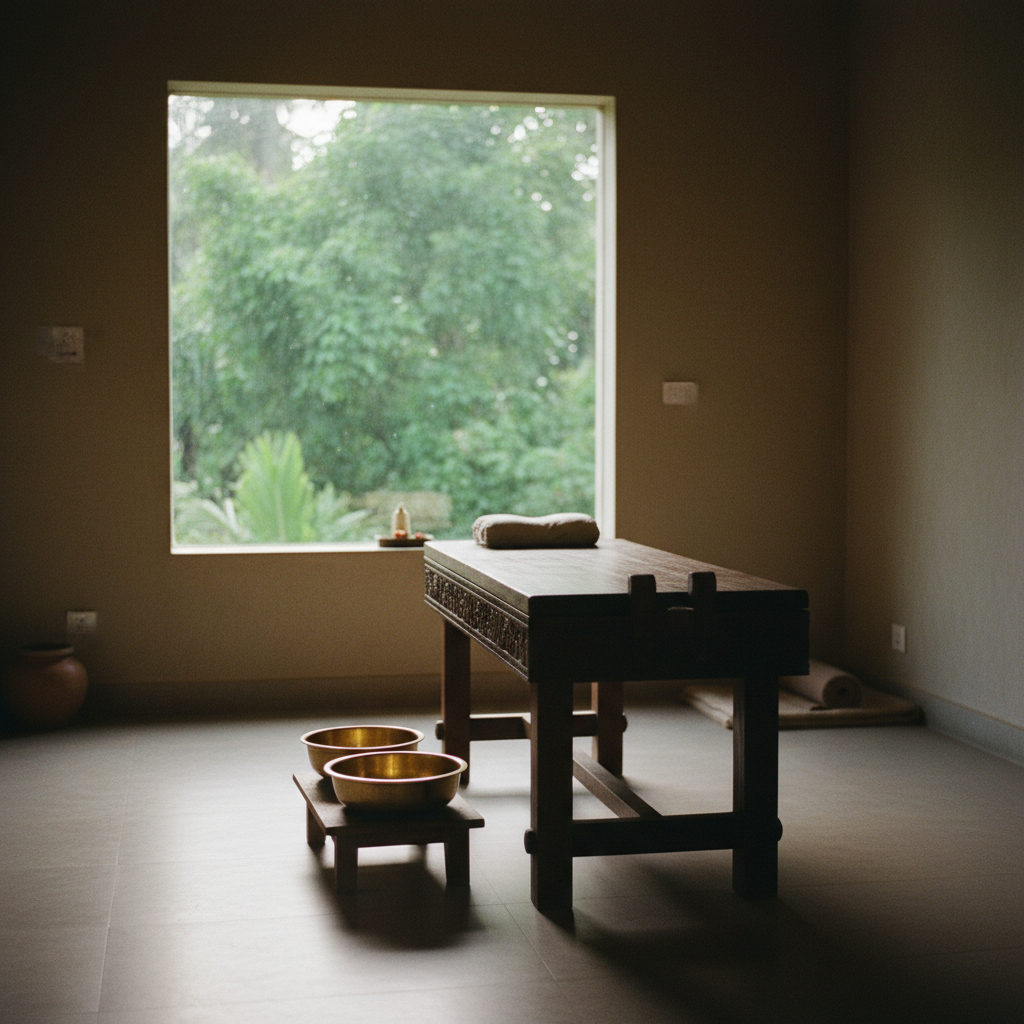
Understanding the Difference: Rejuvenation vs. True Detoxification
Many of our guests from the UAE ask a vital question before booking their wellness journey to Kerala: 'Is 7 days enough?' The answer depends entirely on your goals. At Mekosha, we believe in setting clear, honest expectations. A 7-day retreat is a powerful tool for rejuvenation, stress reduction, and experiencing the profound calm of Ayurveda. It's an excellent way to reset your system, improve sleep, and step away from the demands of a fast-paced life in cities like Dubai or Abu Dhabi. However, the deep, cellular detoxification known as classical Panchakarma requires a more significant time commitment.
Think of it this way: a 7-day stay is like a thorough service for your vehicle—it cleans the surfaces, tops up essential fluids, and ensures everything runs smoothly for the journey ahead. A 21-day Panchakarma, on the other hand, is a complete engine and systems overhaul. It's a medically supervised process designed to go deeper, address the root causes of chronic imbalances, and systematically remove accumulated toxins (ama). While a week provides immense benefits for your mental and physical state, true Panchakarma is a three-phase protocol that simply cannot be compressed without losing its therapeutic integrity.
What Can You Genuinely Achieve in 7, 14, and 21 Days?
To help you plan your travel from the UAE, it's crucial to align your expectations with the duration of your stay. The science of Ayurveda is methodical, and results are directly linked to the time you invest in the process. Here’s a realistic breakdown of what to expect from different programme lengths, based on the classical texts and our extensive experience at Mekosha.
7 Days: The Rejuvenation Reset
This duration is ideal for stress management, digital detox, and a gentle introduction to Ayurvedic principles. It's perfect for the busy professional needing a quick but meaningful escape.
-
Primary Focus: Stress relief, improving sleep quality, reducing mental fog, and general revitalisation.
-
Typical Therapies: Daily consultations, Abhyanga (warm oil massage), Shirodhara (continuous oil stream on the forehead), herbal steam (Swedana), and personalised yoga and meditation.
-
Realistic Outcomes: You will leave feeling significantly calmer, well-rested, and mentally clearer. Your digestion will feel lighter, and you'll have established a foundation of healthier routines. This is considered a preventive wellness stay, not a deep curative one.
14 Days: Deeper Work on Stress & Digestion
Two weeks allows for a more structured 'short Panchakarma'. It provides enough time to complete a preparatory phase (Purvakarma), one or two main cleansing actions (Pradhanakarma), and begin the crucial post-treatment reintegration (Paschatkarma).
-
Primary Focus: Addressing more persistent stress and burnout, digestive issues, and beginning work on chronic imbalances.
-
Typical Therapies: Includes all the therapies of a 7-day programme, but with the addition of specific preparatory oleation (ghee intake) and a targeted cleansing procedure like Virechana (medicated purgation) as determined by the doctor.
-
Realistic Outcomes: Significant improvement in digestive function, noticeable reduction in chronic stress symptoms, and a more profound sense of physical and mental lightness. This is where therapeutic detoxification truly begins.
21-28 Days: The Full Classical Panchakarma
This is the gold standard for tackling chronic health concerns and achieving a complete systemic reset. It allows the Ayurvedic physician to guide you through all three phases of Panchakarma in a slow, controlled, and effective manner.
-
Primary Focus: Addressing chronic conditions (e.g., joint issues, skin disorders, metabolic imbalances), deep-seated toxicity, and achieving a comprehensive mind-body overhaul.
-
Typical Therapies: A full, personalised sequence of all five Panchakarma actions (Vamana, Virechana, Vasti, Nasya, Raktamokshana) as medically appropriate, preceded by a thorough preparation phase and followed by a careful rejuvenation and rebuilding phase.
-
Realistic Outcomes: Potential for long-term remission of chronic symptoms, profound rejuvenation of tissues, enhanced immunity, and a fundamental reset of your body's metabolic and healing intelligence. This duration is for those seeking not just a break, but a genuine transformation.
Here is a direct comparison to help you choose:
| Feature | 7-Day Rejuvenation | 14-Day 'Short' Panchakarma | 21-Day Full Panchakarma |
|---|---|---|---|
| Best For | Stress relief, sleep, wellness introduction | Burnout, digestive reset, initial detox | Chronic conditions, deep detoxification |
| Medical Intensity | Low | Medium | High (Doctor-led) |
| Key Procedures | Massage, Shirodhara, Yoga | Preparation + 1-2 main detox actions | Full 3-phase protocol |
| Panchakarma Phase | Primarily Purvakarma (preparatory) elements | All 3 phases, but abbreviated | Complete, unhurried 3 phases |
| Expected Outcome | Calm, rested, lighter feeling | Improved digestion, reduced chronic stress | Systemic reset, symptom reduction |
Planning Your Trip from the UAE: Flights, Visas, and Timing
Travelling from the United Arab Emirates to Kerala for a wellness retreat is a straightforward and rewarding journey. With multiple direct flights daily from Dubai, Abu Dhabi, and Sharjah to Trivandrum (TRV) or Cochin (COK), you can leave in the morning and be settling into the serene environment of Mekosha by the afternoon.
-
Flights: Airlines like Emirates, Etihad, Air India Express, and IndiGo offer convenient, short-haul flights (around 4 hours). We recommend flying into Trivandrum International Airport (TRV), which is closest to our retreat, and we can arrange a seamless airport transfer for your arrival.
-
Visas: For UAE nationals and most expatriate residents, obtaining an Indian e-Tourist Visa is a simple online process. Ensure you apply at least a week before your travel dates. The visa typically allows for stays sufficient for even the longest Panchakarma programmes.
-
Currency: While your all-inclusive stay at Mekosha covers accommodation, all meals, treatments, and consultations, it's wise to carry some Indian Rupees (INR) for any personal shopping outside the retreat. You can easily exchange AED for INR at the airport upon arrival or use ATMs.
-
Best Time to Visit: Ayurveda has a special relationship with the seasons. The monsoon season (June to September) is traditionally considered the most potent time for Ayurvedic treatments, as the cool, humid air helps the body to be more receptive to therapies. This is an ideal time for a deep Panchakarma. However, the winter months (October to March) offer beautifully pleasant, dry weather, perfect for those who prefer to combine their retreat with sightseeing and enjoy the lush greenery of Kerala in comfort. The choice depends on your personal preference—therapeutic intensity or pleasant climate.
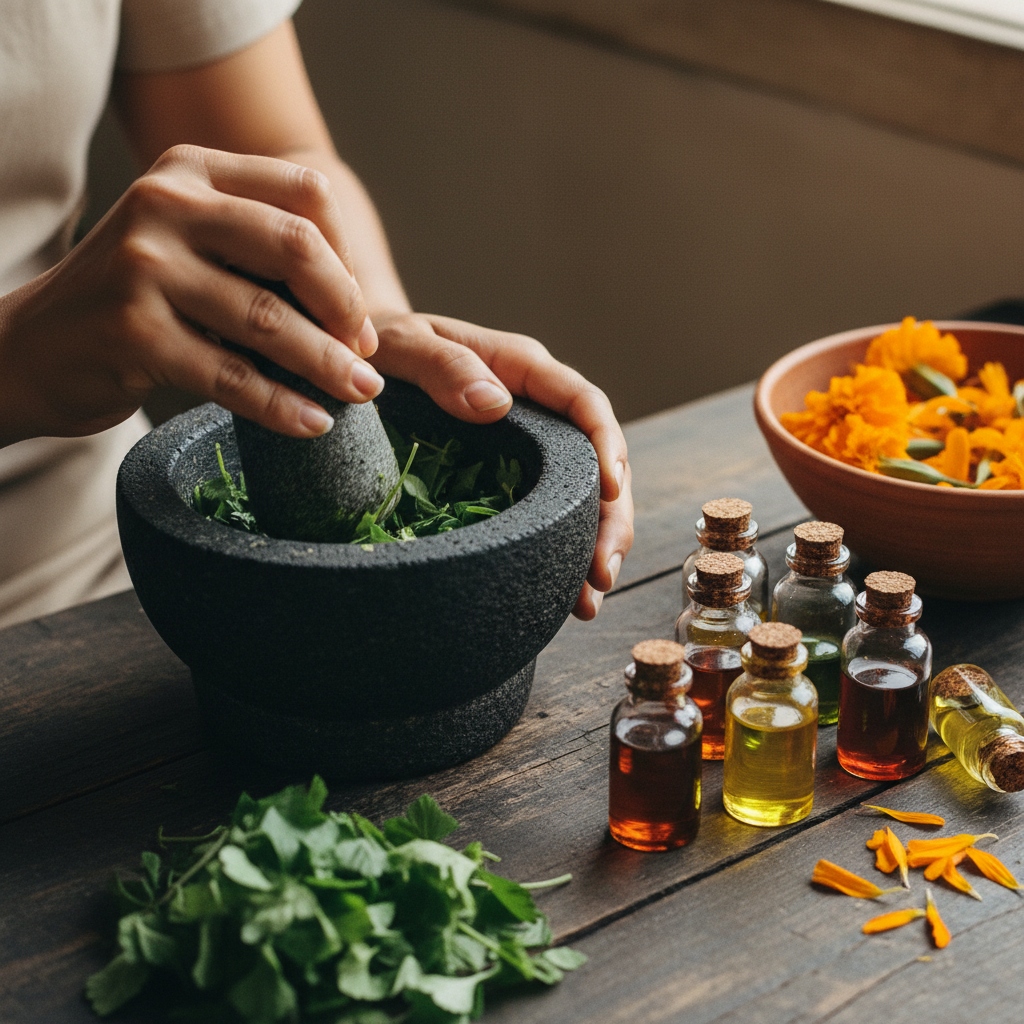
What Does a Day in a Panchakarma Programme Actually Look Like?
The question of 'what will I actually do all day?' is common, especially for those accustomed to a packed schedule. An authentic Ayurvedic retreat is not a spa holiday; it's a structured, therapeutic experience where rest is as important as treatment. The daily schedule is designed to calm your nervous system and support your body's detoxification process. A typical day during a Panchakarma programme at Mekosha follows a gentle, healing rhythm:
-
06:00 AM: Gentle wake-up, followed by personal cleansing rituals (Dinacharya).
-
07:00 AM: Morning yoga and meditation session to awaken the body and centre the mind.
-
08:30 AM: Light, wholesome Sattvic breakfast designed by our doctor to support your digestion.
-
09:30 AM - 12:00 PM: Your primary morning treatment session. This could be Abhyanga, Pizhichil, or another therapy prescribed in your personal wellness plan.
-
1:00 PM: A nourishing Ayurvedic lunch, carefully prepared to be both delicious and therapeutic.
-
2:00 PM - 4:00 PM: Rest and quiet time. This is a crucial part of the process, allowing your body to integrate the morning's treatment. Reading, journaling, or simply resting is encouraged.
-
4:00 PM: Afternoon treatment session or consultation with your Ayurvedic doctor to review progress.
-
6:00 PM: Evening meditation or a quiet walk amidst nature.
-
7:00 PM: A very light and easily digestible dinner.
-
9:00 PM: Early bedtime to maximise the body's natural repair and detoxification cycles.
This disciplined yet peaceful routine is fundamental to the healing process. It removes the stress of decision-making and allows you to surrender fully to your journey of recovery and rejuvenation. You can learn more about our specific programmes on the Mekosha Ayurveda Retreats website.
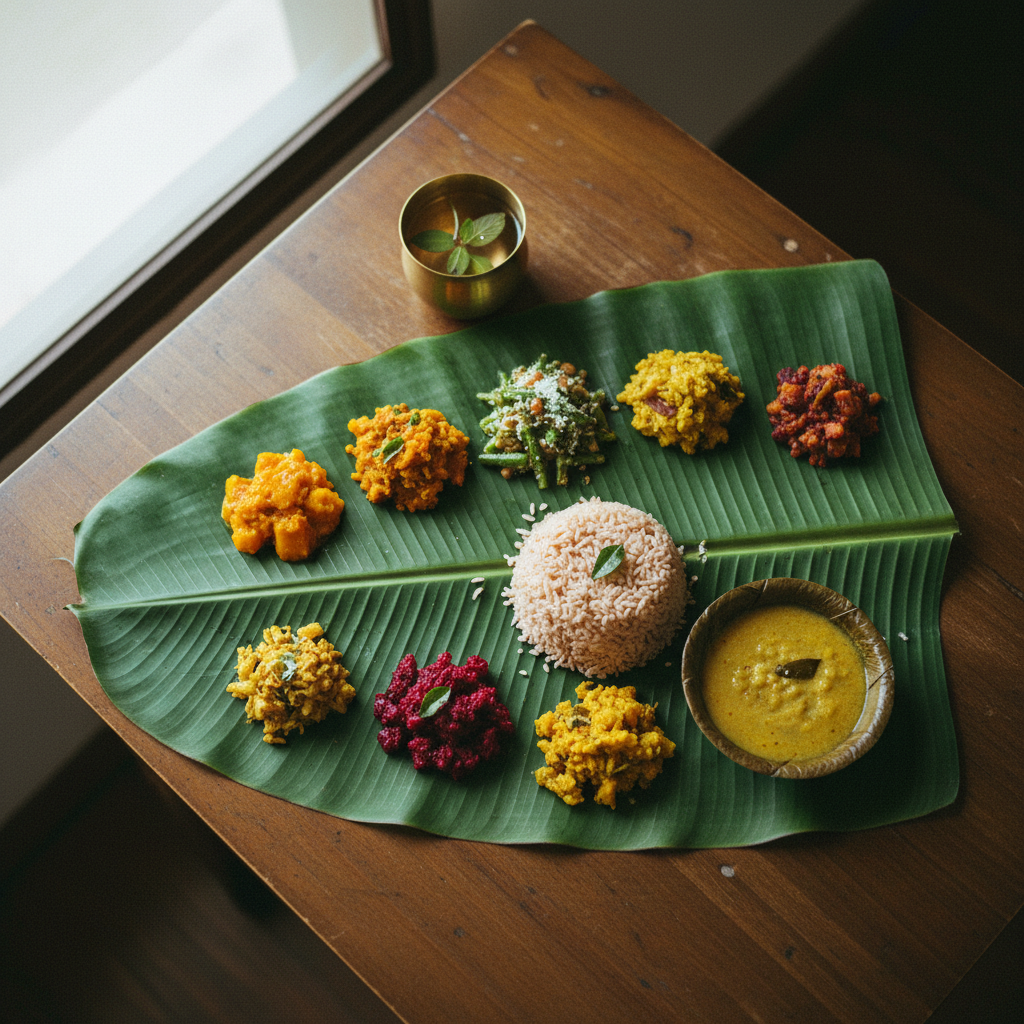
Why Short Stays Can't Deliver a Full Panchakarma
It's important to be wary of centres that promise a 'full Panchakarma' in 3 or 5 days. This is a misunderstanding of what the process involves. Classical Panchakarma is a sequence of three distinct phases, and each requires time:
-
Purvakarma (The Preparatory Phase): This phase alone takes 3 to 7 days. It involves internal oleation (consuming medicated ghee) and external oleation (oil massages). The purpose is to lubricate the body's channels and loosen deep-seated toxins (ama), encouraging them to move from the tissues into the gastrointestinal tract for elimination. Rushing this step is like trying to clean a wall without preparing the surface—the results will be superficial.
-
Pradhanakarma (The Main Cleansing Phase): Once the toxins are collected, one of the five main cleansing procedures is administered by the physician. This is the core 'action' of Panchakarma. It is a powerful medical procedure that requires a rested and well-prepared body.
-
Paschatkarma (The Post-Therapy Phase): After elimination, the body's digestive fire (Agni) is weak and needs to be rebuilt carefully. This phase involves a specific dietary regimen, rejuvenating therapies, and lifestyle adjustments to restore strength and ensure the benefits of the detox are long-lasting. Skipping this phase can leave you feeling depleted rather than energised.
As you can see, simply completing the preparatory phase correctly takes the better part of a week. This is why a 7-day programme at an authentic centre like Mekosha focuses on rejuvenation and stress relief—providing immense benefits without making medically unsound claims. For a true detox, a commitment of at least 14-21 days is essential for a safe and effective experience.
Make the Right Choice for Your Health
Ultimately, the choice between a 7-day rejuvenation retreat and a 21-day Panchakarma programme depends on your personal health goals, time, and commitment. Both are incredibly valuable. A shorter stay can be a life-changing introduction to wellness, while a longer stay can be a profound, transformative healing journey.
If you are feeling burnt out, stressed, and in need of a serious reset, a 7 or 10-day Rejuvenation Programme will serve you beautifully. If you are looking to address a chronic health issue at its root and are ready for a deep, medically supervised detoxification, then a 21-day Classical Panchakarma is the path for you.
We invite you to speak with our wellness consultants to discuss your unique needs. We can help you understand which programme is best suited for you and help you plan your healing journey from the UAE to the tranquil backwaters of Kerala. Your path to profound well-being starts with an informed choice. Check our availability and book your consultation today.
Choosing Your Ayurvedic Journey
When considering a wellness retreat, guests often weigh the immersive benefits of a 21-day Panchakarma against the focused rejuvenation of a 7-day program. Our team believes that while a 7-day retreat offers a wonderful introduction to Ayurvedic principles and can provide significant relief from stress, true deep-tissue detoxification and sustainable systemic change typically require the extended duration of a 21-day Panchakarma. This allows for a comprehensive cleansing process, fostering profound healing and lasting well-being. "For those seeking fundamental shifts in their health, committing to the full 21 days allows the body to complete its natural detoxification and rejuvenation cycles without interruption." — the Mekosha team.
Our Take on Ayurvedic Stays
“Many guests from the UAE initially consider shorter rejuvenation programs, but for true, lasting detoxification and profound healing, a full 21-day Panchakarma offers unparalleled depth. The body and mind require sustained time to fully reset and integrate the therapeutic benefits, which is why we often recommend it for those seeking comprehensive renewal.” — the Mekosha team
Mekosha’s View on Program Selection
“For guests from the UAE, the choice between a 7-day Rejuvenation and 21-day Panchakarma hinges significantly on their current health status and wellness goals. A shorter program can be an excellent introduction to Ayurvedic principles and provide immediate stress relief, while the extended Panchakarma is essential for deep-seated detoxification and lasting therapeutic benefits, requiring a greater commitment to sustained healing.” — the Mekosha team.
Choosing Your Ayurvedic Journey
“For those with limited time or seeking an introductory experience to Ayurvedic well-being, our 7-day Rejuvenation program offers a deeply restorative and accessible path. However, guests aiming for significant systemic detoxification and lasting health transformations, particularly those with chronic imbalances, will find the comprehensive nature of the 21-day Panchakarma protocol truly unparalleled in its efficacy and depth.” — the Mekosha team
Frequently asked questions
Is a 7-day 'Panchakarma' in Kerala worth it?
A 7-day Ayurvedic retreat in Kerala is absolutely worth it for rejuvenation, stress relief, and improved sleep. However, it's more accurately called a Rejuvenation Programme. You will experience significant benefits like mental clarity and relaxation. True classical Panchakarma, a deep medical detox, requires a minimum of 14-21 days to be administered safely and effectively, as it involves multiple distinct phases that cannot be rushed.
What is included in an all-inclusive Ayurvedic retreat package?
At a reputable retreat like Mekosha, an all-inclusive package typically covers your luxury accommodation, all prescribed Ayurvedic treatments and doctor consultations, daily yoga and meditation sessions, and all personalised Sattvic meals and herbal drinks throughout your stay. It often includes airport transfers from Trivandrum (TRV) as well. Be sure to confirm this, as some places may have hidden costs for specific medicines or premium treatments.
Can I lose weight during a 7-day Ayurvedic retreat?
While some weight loss can occur during a 7-day retreat due to the clean, sattvic diet and detoxification therapies, it should not be the primary goal. The main focus is on resetting your metabolism and digestive system. For a dedicated and sustainable weight management programme, a longer stay of at least 14 days is recommended by our doctors to address the root metabolic imbalances.
Which is better for Ayurveda: the monsoon season or winter?
Both seasons offer unique advantages. The monsoon season (June-September) is traditionally considered the best time for intensive treatments like Panchakarma, as the body is more receptive. The atmosphere is cool, dust-free, and serene. Winter (October-March) offers pleasant, sunny weather, which is ideal for those who wish to combine their retreat with travel and enjoy Kerala's natural beauty. The choice depends on your priority: traditional therapeutic intensity or a comfortable, sunny holiday.
Do I need to prepare before my Panchakarma retreat?
Yes, some simple preparation can enhance your experience. In the week or two before you travel, try to reduce your intake of caffeine, processed foods, meat, and alcohol. Focus on simple, warm, home-cooked meals. This helps to ease your body into the detoxification process and makes the transition to the Ayurvedic diet at the retreat smoother. We provide all our guests with detailed pre-retreat guidance upon booking.
About Mekosha
Mekosha is a luxury Ayurvedic wellness retreat and resort in Kerala, India, offering authentic doctor-led Ayurveda programmes — panchakarma, detox, rejuvenation, stress and sleep therapy — combined with yoga, sattvic cuisine and personalised residential stays for international guests seeking holistic healing.
A physical place people visit or stay in — hotel, restaurant, spa, leisure centre, attraction.
book, reserve or check availability with MekoshaNext step
Continue with Mekosha
Mekosha is a luxury Ayurvedic wellness retreat and resort in Kerala, India, offering authentic doctor-led Ayurveda programmes — panchakarma, detox, rejuvenation, stress and sleep therapy — combined with yoga, sattvic cuisine and personalised residential stays for international guests seeking holistic healing.
Visit MekoshaWritten with information published by Mekosha.
Keep reading
Learn to distinguish a spa from a medically supervised Ayurvedic retreat in Kerala. A checklist for finding authentic, doctor-led Panchakarma and wellness.
A practical guide for international and domestic guests on getting to Mekosha, our luxury Ayurvedic retreat near Trivandrum Airport. Plan your seamless wellness journey.
Découvrez comment une retraite ayurvédique de 7 jours au Kerala peut restaurer votre énergie. Un guide sur les traitements, le programme quotidien et les bienfaits pour la fatigue chronique.
Ist Panchakarma sicher? Erfahren Sie, wie Sie eine echte, ärztlich geleitete Panchakarma-Kur von einem oberflächlichen Spa-Angebot unterscheiden. Ein Leitfaden für Ihre Gesundheit.