The Monsoon-Proof Living Room: Why Your Choice of Fabric Matters in Coastal Mangaluru
Practical guide for Mangaluru homeowners on choosing the best sofa upholstery to resist mold and humidity during the coastal monsoon season.
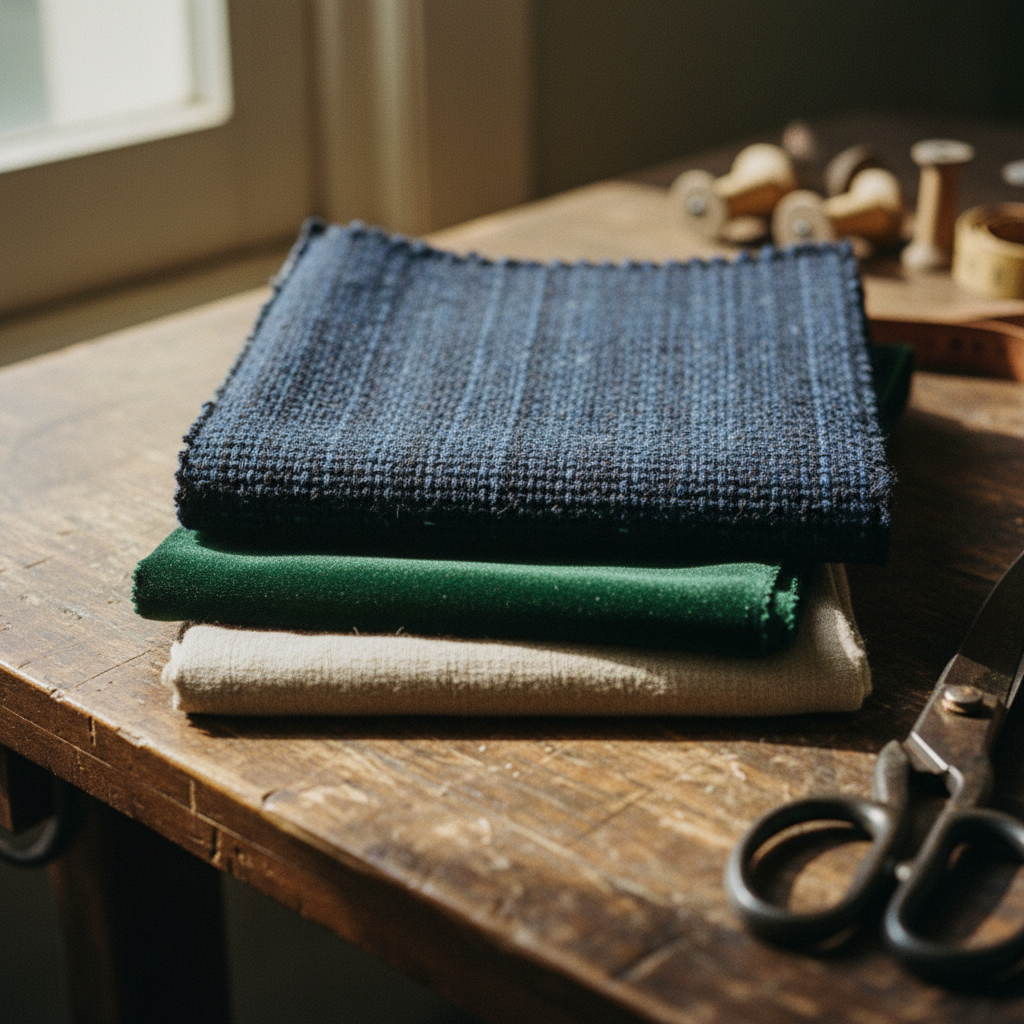
The Unique Challenges of the Coastal Climate
In Mangaluru, the monsoon is not just a season; it is a fundamental shift in how we live. As the clouds roll in from the Arabian Sea, the air becomes thick with moisture, and the rhythmic drumming on Mangalore-tiled roofs becomes a constant companion. While this weather brings a refreshing change to the landscape, it presents a significant challenge to the interior of our homes—specifically, our furniture.
For many homeowners, the living room is the heart of the house, and the sofa is its center. However, in our coastal climate, a sofa is more than a piece of decor; it is an organic object that reacts to its environment. Without the right choice of sofa upholstery in Mangaluru, a beautiful investment can quickly succumb to the "monsoon smell," dampness, and the silent growth of mold. Understanding the science of fabric in a high-humidity environment is the key to creating a space that stays fresh year-round.
Why Fabrics Breathe (or Suffocate) in the Humid Heat
To choose the right fabric, one must first understand the enemy: humidity. In Mangaluru, relative humidity levels often soar above 80% during the rainy months. Traditional upholstery fabrics act like sponges, pulling moisture from the air and trapping it within the padding and the frame.
When moisture is trapped, it creates a breeding ground for mildew. This not only ruins the aesthetic appeal of your sofa but also impacts the air quality of your home. It isn't just the surface fabric that matters; it’s how that fabric interacts with the foam and the wooden structure beneath. At Nova Sofa, we emphasize that "monsoon-proofing" begins with the very first layer of material you touch.
The Best Fabric Contenders for Mangaluru Homes
When selecting materials for custom sofa sets in Mangaluru, the instinct is often to go for the softest feel. However, performance must take precedence in the tropics. Here is a breakdown of how different materials fare:
-
Synthetic Blends (Polyester & Nylon): Modern synthetics have come a long way. They are naturally hydrophobic, meaning they resist water absorption. A high-quality polyester blend provides the look of natural fiber while remaining resistant to mold and stretching.
-
Treated Linens: Linen is prized for its breathability. In a coastal setting, we recommend "performance linens" that have been treated with moisture-repellent finishes. These allow air to circulate—preventing that "sticky" feeling—while keeping dampness out of the inner cushions.
-
Microfibers: Because the weave of microfiber is so incredibly tight, it is difficult for liquid and spores to penetrate. This makes it an excellent choice for families who want durability and ease of cleaning during the muddy monsoon months.
-
Avoid Pure Velvets: While luxurious, heavy cotton velvets can be a magnet for dust and moisture. If you desire the velvet look, opt for a high-grade synthetic velvet that mimics the sheen but sheds moisture more effectively.
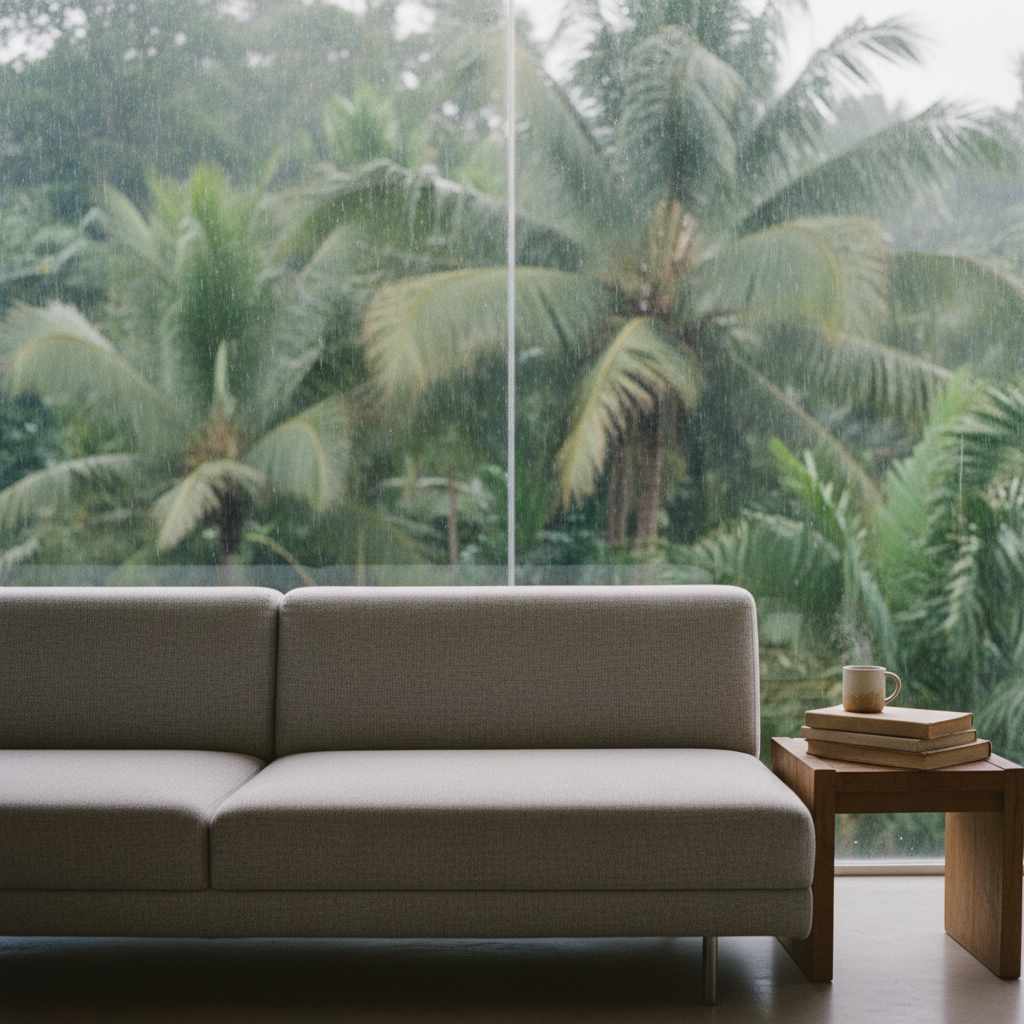
The Role of the Frame: Supporting Your Fabric Choice
While the fabric is the skin of the sofa, the frame is the skeleton. In Mangaluru, the choice of wood is non-negotiable. Softwoods can warp or rot when exposed to consistent humidity.
We utilize seasoned hardwoods like Teak or Mahogany for our bespoke wooden frames. These woods contain natural oils that act as a barrier against moisture and pests. When a high-quality hardwood frame is paired with a breathable, "monsoon-proof" fabric, the sofa becomes an heirloom-quality piece that can withstand decades of Karnataka's coastal cycles. Proper seasoning of the wood ensures that the frame won't expand or creak as the seasons shift from the dry heat of April to the deluges of July.
Pro-Tips for Maintaining Upholstery Integrity
Even with the best fabric, maintenance is vital during the peak of the rains. Here are a few professional tips for Mangaluru residents:
-
The Six-Inch Rule: Never push your sofa directly against a wall, especially an external wall. Leaving a six-inch gap allows for airflow, preventing "wall sweat" from transferring to your upholstery.
-
Regular Vacuuming: Dust is the food source for mold. By vacuuming your sofa weekly, you remove the organic matter that allows spores to take hold in humid conditions.
-
Rotation and Flipping: If your sofa has detachable cushions, flip them once a week. This ensures that no single side remains compressed and damp against the base of the frame.
-
Sunlight Opportunities: On those rare days when the sun breaks through the clouds, open your windows wide to let the natural UV rays do their work in sanitizing the fabric surfaces.
Reupholstery: A Second Life for Your Furniture
If your current sofa feels heavy, smells slightly musty, or shows signs of spotting, you may not need a new piece of furniture. Upholstery and reupholstery services are often the most sustainable way to "upgrade" your home for the climate.
By stripping a sofa down to its frame, we can inspect for structural dampness, replace old, water-logged foam with high-density anti-microbial variants, and wrap it in a fresh, climate-appropriate fabric. It is an opportunity to transform a piece that was designed for a different climate into something perfectly suited for the Mangaluru coast. In a world of disposable furniture, choosing to reupholster with quality materials is a testament to craftsmanship and common sense.
Beyond Aesthetics: Fabric Choices for Mangaluru Monsoons
“In Mangaluru’s monsoon season, humidity and dampness are constant challenges. We advise our customers to prioritize fabrics engineered for moisture resistance and quick drying, like high-performance synthetics or specially treated natural fibers. This approach not only preserves the sofa’s integrity but also ensures a healthier living environment by minimizing mold and mildew risks,” — the Nova Sofa team. Choosing the right fabric is pivotal for durability and comfort in coastal climates. Our design philosophy centers on selecting materials that withstand environmental pressures, ensuring your living space remains inviting and elegant year-round, even through the heaviest rains. We focus on innovation to deliver both style and practical resilience, providing solutions that truly perform for our customers.
Decoding Sofa Repair Costs in Mangaluru: A Practical Guide
Understanding the cost of sofa repair in Mangaluru requires considering several factors beyond just the visible damage. For instance, a simple tear in a cushion might cost anywhere from ₹500 to ₹1,500 to patch, depending on the fabric match and complexity. However, if the underlying foam or springs are compromised, the price escalates significantly. Replacing a single seat cushion’s high-density foam, for example, could range from ₹1,000 to ₹3,000 per cushion. Frame repairs, especially for hardwood like teak common in the region, are more intricate. A minor joint reinforcement might be ₹800–₹2,500, but repairing a snapped load-bearing beam could easily exceed ₹4,000, not including labor for disassembly and reassembly. Reupholstering an entire three-seater sofa, a popular service in Mangaluru due to the climate's impact, can range from ₹8,000 to ₹25,000 or more, depending heavily on the chosen fabric (e.g., a basic polyester versus a high-performance, humidity-resistant synthetic leather) and the intricacy of the sofa's design. Always get a detailed quote that itemizes material costs, labor, and any potential transport fees, as these can vary widely among local artisans and specialized workshops. A transparent breakdown empowers you to make an informed decision about repair versus replacement.
Frequently asked questions
Is 100% cotton a good choice for Mangaluru homes?
While cotton feels great, it is highly absorbent and prone to mold in Mangaluru's humidity. If you choose cotton, ensure it is a high-grade blend treated with moisture-repellent finishes.
Can I change my existing sofa's fabric to something more monsoon-friendly?
With professional expertise, most quality sofa frames can be reupholstered. At Nova Sofa, we often replace old, damp-damaged fabric with modern, breathable alternatives to extend the life of your furniture.
How do I maintain my sofa during the heavy rain months?
During peak monsoon, vacuum regularly to remove spores and use a dehumidifier if possible. Avoid placing your sofa directly against a damp external wall to allow for airflow.
About Nova Sofa
A Mangaluru-based bespoke sofa maker specialising in custom sofa sets, office seating, and artistically designed durable sofas built with high-grade wood and craftsmanship.
Expert services sold to organisations — legal, accounting, agency, consultancy, engineering.
request a quote or get in touch with Nova SofaNext step
Continue with Nova Sofa
A Mangaluru-based bespoke sofa maker specialising in custom sofa sets, office seating, and artistically designed durable sofas built with high-grade wood and craftsmanship.
Visit Nova SofaWritten with information published by Nova Sofa.