Beyond the Dashboard: How AI-Powered Maintenance Workflows Automate Your Worst Operational Bottlenecks observer
Explore how AI-powered maintenance workflows automate asset tracking, eProcurement, and predictive maintenance to eliminate operational bottlenecks.
The Shift from Observation to Automation
The modern facility manager is often buried under a mountain of data. Dashboards flash red, yellow, and green, signaling everything from HVAC temperatures to vibration alerts on the assembly line. However, a dashboard is merely a mirror; it shows you what is happening but does not fix it. The true evolution in facility management is the shift from "observational" data to AI-powered maintenance workflows. These workflows represent the bridge between knowing there is a problem and resolving it without human intervention. Instead of an engineer spending half their morning reviewing logs to decide which motor needs grease, an intelligent system identifies the anomaly, checks the inventory for the required lubricant, and assigns a task to the available technician. This isn't just about speed; it's about reclaiming the cognitive bandwidth of your most skilled staff.
Breaking the Manual Trigger Cycle
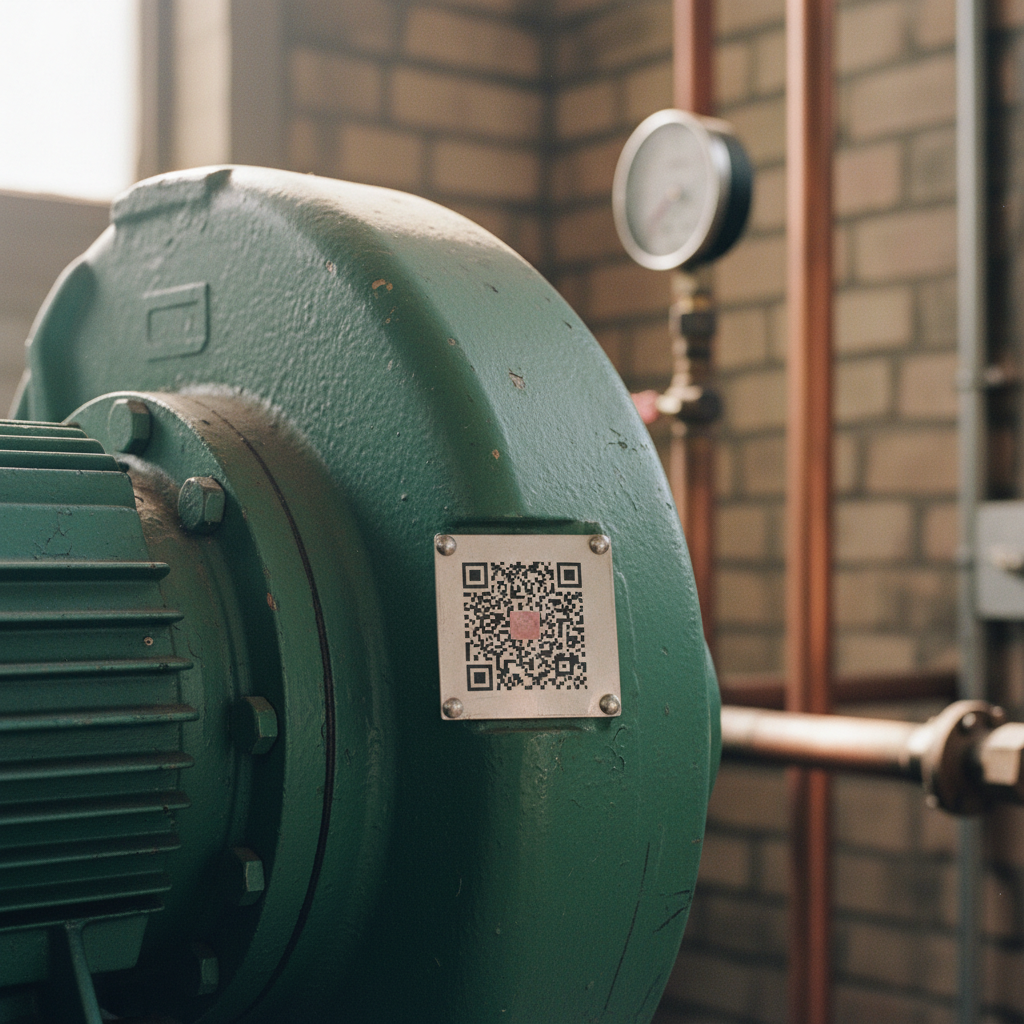
The most common bottleneck in large-scale operations is the "manual trigger." When a machine displays an error code, the process usually follows a sluggish path: an operator spots the error, notifies a supervisor, who then calls the maintenance department, who then checks if the parts are in stock. By integrating AI-powered maintenance workflows, TeroTAM removes these friction points. When an IoT sensor detects a heat spike that exceeds a specific threshold, the system doesn't just send an alert. It cross-references the asset’s history, identifies the likely failure point, and automatically generates a work order. Because the platform knows the location of the asset via QR tracking, the technician receives a GPS-stamped task on their mobile device instantly. This automation turns a multi-hour communication chain into a sub-second digital reaction.
Integrating eProcurement with Predictive Care
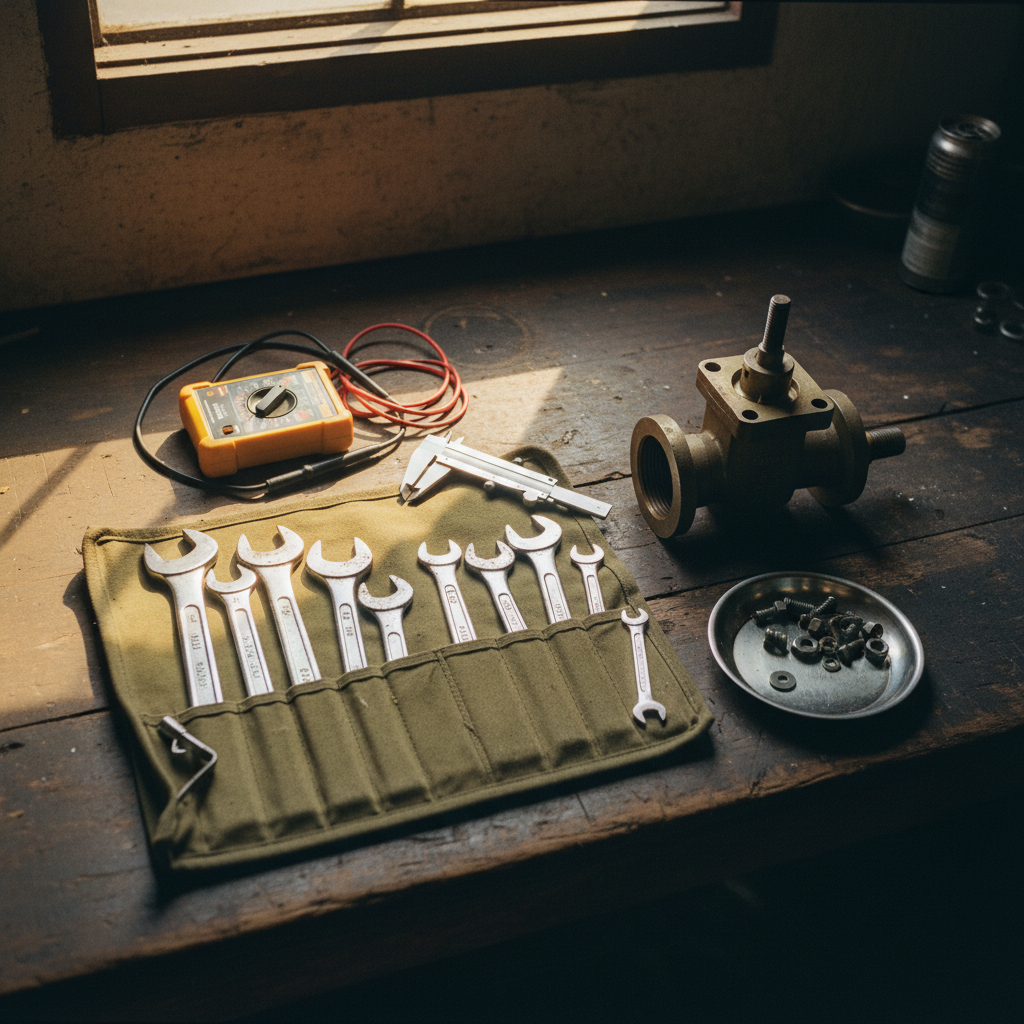
Maintenance does not exist in a vacuum. It is heavily reliant on supply chain health. Another critical bottleneck is the "missing part" syndrome—where a technician discovers a fault, but the repair is delayed by three days because a $50 bearing isn't in the store. Intelligent workflows extend into eProcurement and inventory management. When the predictive model suggests that a series of pumps will need servicing in the next 15 days, it automatically audits the current stock. If the required kits are below the safety margin, the system drafts a purchase order for the preferred vendor. At TeroTAM, we see this deep integration as the final piece of the operational puzzle: ensuring that the physical tools are always as ready as the digital systems.
-
Automated Reordering: Based on actual consumption rates, not just calendar dates.
-
Vendor Performance Tracking: Identifying which suppliers provide the highest-quality components for long-term asset health.
-
Inventory Synchronization: Linking work orders directly to parts consumption to maintain 100% accuracy in the stockroom.
Dynamic Scheduling and Labor Optimization
Every facility has limited man-hours. The traditional "first-in, first-out" or "squeaky wheel gets the grease" approach to maintenance is inherently inefficient. It leads to technicians spending time on low-impact tasks while critical infrastructure nears a breaking point. AI-driven systems apply a "Criticality Matrix" to every automated work order. By analyzing the impact of an asset on the total production line, the workflow can reprioritize a technician's schedule in real-time. If a primary chiller in a data center shows signs of failure, the AI will deprioritize routine aesthetic tasks across the facility and reroute the team to the high-stakes repair. This dynamic scheduling ensures that labor—your most expensive resource—is always applied where it protects the bottom line.
From the Shop Floor to the Boardroom
For the executive suite, the value of an AI-powered CMMS isn't just in the daily repairs; it’s in the long-term capital expenditure (CapEx) strategy. When every maintenance event, part replacement, and technician hour is captured through automated workflows, the "Total Cost of Ownership" for every asset becomes crystal clear. The data generated by these workflows allows leaders to move away from guesswork. Instead of asking, "Should we replace this boiler next year?" they can look at a TeroTAM report that shows a 25% increase in maintenance costs over the last six months and an efficiency drop of 15%. This objective data facilitates faster, more confident decision-making regarding asset lifecycles and facility budgets. We are moving toward an era where the building maintains itself, allowing the people within it to focus on growth, not just survival.
AI
“Many teams still spend excessive time on manual scheduling and reactive problem-solving, which clogs up maintenance operations. We’ve observed that integrating AI can swiftly cut through these bottlenecks by intelligently predicting needs and automating task assignments, freeing up personnel for more strategic work.” — the TeroTAM team.com team.
Frequently asked questions
What defines an AI-powered maintenance workflow?
AI-powered maintenance workflows use historical asset data and real-time sensor inputs to automatically trigger work orders, prioritize tasks based on criticality, and assign the right technicians—removing the need for manual administrative oversight.
How does AI assist in inventory and eProcurement?
By automating the procurement process through a CMMS like TeroTAM, businesses can set automated reorder points. When spares reach a certain threshold, the system generates purchase requests, preventing project delays caused by missing parts.
What is the primary ROI of switching to automated workflows?
The core benefit is the reduction of 'hidden' downtime. Instead of waiting for a machine to break or a human to notice a trend, the AI identifies subtle performance shifts and schedules a fix during natural operational lulls.
About TeroTAM
AI-powered CMMS and facilities management SaaS for businesses to manage assets, preventive and predictive maintenance, procurement and operations.
Software or an online platform sold by subscription or usage.
start a trial, sign up or subscribe with TeroTAMNext step
Continue with TeroTAM
AI-powered CMMS and facilities management SaaS for businesses to manage assets, preventive and predictive maintenance, procurement and operations.
Visit TeroTAMWritten with information published by TeroTAM.