2026 Farm Mechanisation Subsidies: Navigating Harvester Procurement Before September Deadlines
Learn how to secure 2026 farm mechanisation subsidies for mini and tractor-mounted harvesters. Expert guide for Bangladesh farmers importing from VCH India.
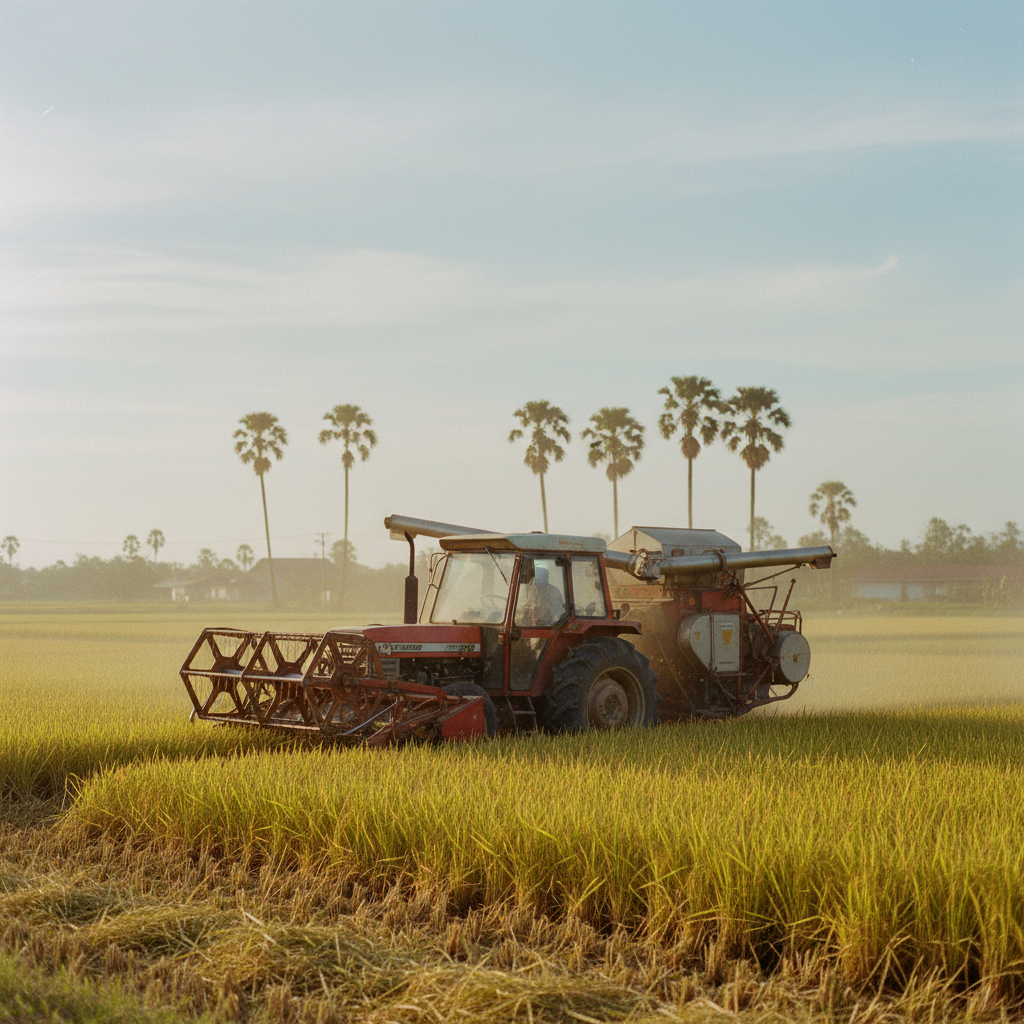
The 2026 Mechanisation Landscape: Why Timing Matters
In 2026, the landscape of agricultural productivity in Bangladesh is shifting rapidly toward mechanisation. As rural labour costs rise and the window for harvesting Boro and Aman crops narrows due to erratic weather patterns, the demand for efficient machinery has never been higher. For the small to medium-scale farmer, the mini harvester price in India represents more than just a capital expense—it is a strategic investment in food security and farm profitability.
At VCH, we have observed a significant uptick in interest from Bangladeshi agribusinesses seeking robust, mid-priced machinery that bridges the gap between manual labour and massive, industrial-scale combines. The 2026 Sub-mission on Agricultural Mechanisation (SMAM) and related bilateral trade incentives have made it possible for individual farmers and FPOs (Farmer Producer Organisations) to acquire tractor-mounted or mini-harvesters at a fraction of the list price, provided they act before the critical September deadlines.
Navigating the cross-border procurement process requires an understanding of both the technical specifications of the machinery and the regulatory framework that governs these subsidies. Whether you are looking at the Vishal 312 for its compact manoeuvrability or a tractor-mounted solution to leverage your existing fleet, timing is everything.
Understanding the 40-50% Subsidy Framework
The primary vehicle for lowering the barrier to entry is the subsidy framework. In 2026, the focus has shifted toward 'Targeted Mechanisation,' which prioritises smallholders.
-
Sub-mission on Agricultural Mechanisation (SMAM): This remains the gold standard. For 2026, small and marginal farmers, as well as those in specific geographic clusters, can access subsidies ranging from 40% to 50%.
-
The September Deadline: Budgetary allocations for these schemes are typically reviewed and locked in by the end of the third quarter. To ensure your paperwork is processed in time for the late-season harvests, applications must be submitted by September.
-
Eligible Machinery: Not all machines qualify. The scheme specifically incentivises units like the VCH tractor-mounted models because they promote multi-functional use of existing farm assets, reducing the total cost of ownership.
For our partners in Bangladesh, importing from India involves coordinating with the Export Promotion Bureau and ensuring the machinery meets the specific 'Certificate of Origin' requirements to benefit from SAFTA (South Asian Free Trade Area) duty concessions. Working with a consultant or a direct manufacturer like VCH ensures that all technical documentation—from engine emission norms to safety certifications—is ready for customs clearance.
Selecting the Right Machine: Beyond the Invoice Price
When evaluating the mini harvester price in India, it is vital to look beyond the initial invoice. A 'cheap' machine that breaks down during the peak 10-day harvest window is the most expensive machine a farmer can own.
At VCH, we categorise these professional-grade solutions into two primary paths for the 2026 season:
-
Tractor-Mounted Harvesters: These are ideal for farmers who already own a 50-60 HP tractor. By attaching a harvesting unit, you transform a single-use asset into a multi-crop powerhouse. These units are highly popular in the Rajshahi and Rangpur divisions due to their ability to navigate smaller plot sizes.
-
Self-Propelled Mini Combines: These are dedicated units designed for high-efficiency paddy and wheat harvesting. The Vishal 435 Brisk Combo is a prime example of a machine built to handle the higher moisture content often found in Bangladeshi paddy fields without clogging.
Technical Considerations for the Bangladesh Market:
-
Fuel Consumption: Look for machines that average 6-8 litres per hour. In a high-diesel-cost environment, efficiency is the fastest way to recoup your investment.
-
Grain Recovery: Ensure the machine is rated for less than 1% grain loss. VCH machines are engineered with precision sieves specifically for the long-grain rice varieties prevalent in South Asia.
-
Ground Clearance: Given the muddy terrain of the delta region, track-type or high-clearance wheel models are essential.
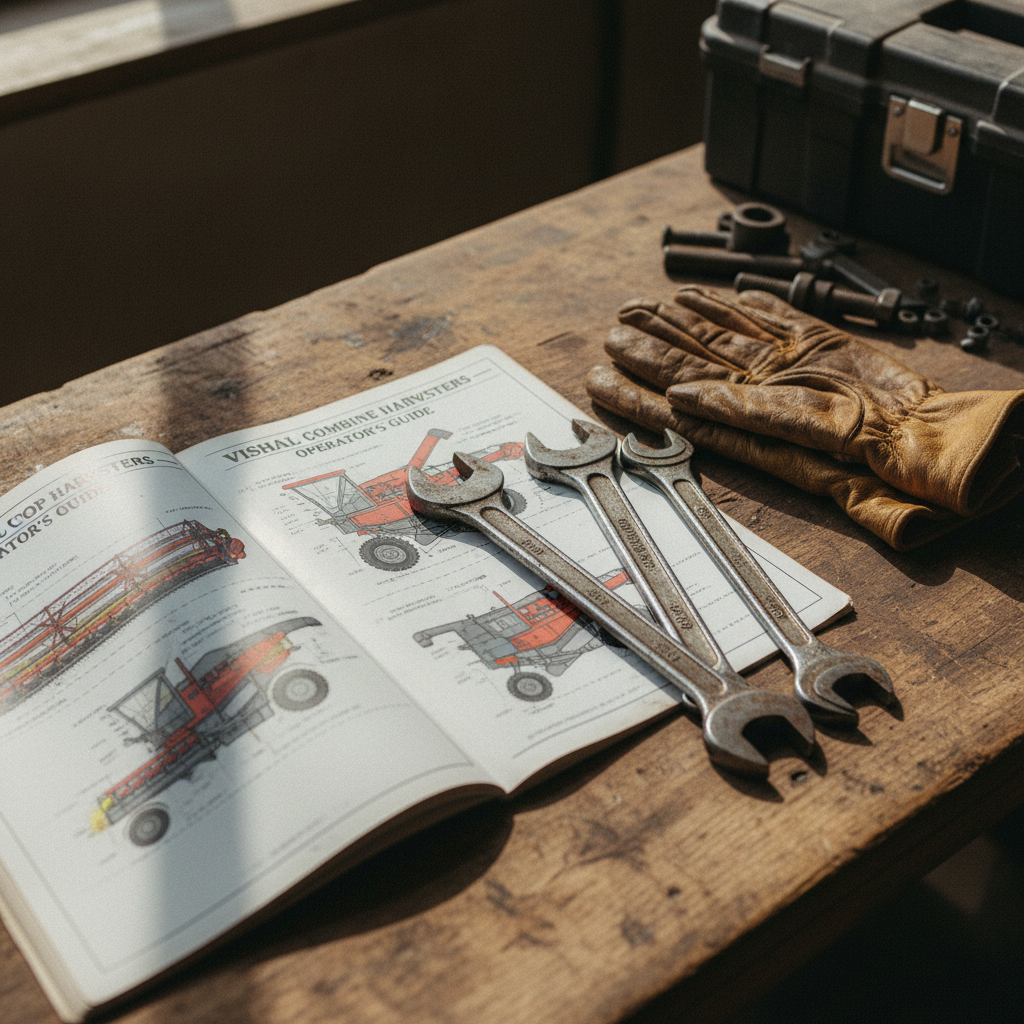
The Procurement Process: From Punjab to the Paddy Field
Securing a harvester for the 2026 season involves a multi-step engagement model. Because these are B2B engineering assets, the process is more formal than a standard equipment purchase.
-
Initial Consultation & Spec-Lock: Work with the VCH engineering team to determine if a wheel-type or track-type harvester suits your specific soil profile.
-
Proforma Invoice & Subsidy Application: Once the model is selected, a Proforma Invoice is issued. This is the foundational document for your subsidy application in Bangladesh or for securing bank financing.
-
L/C Opening & Customs: Most cross-border transactions between India and Bangladesh are handled via Letter of Credit (L/C). We recommend starting this process at least 60 days before you need the machine on-site.
-
Operator Training: A harvester is only as good as its operator. VCH provides detailed training modules to ensure that your team understands the daily maintenance protocols—cleaning the cutters, checking hydraulic levels, and belt tensioning—that prevent costly downtime.
By integrating these steps early, farmers can avoid the 'harvest rush' where shipping costs spike and technician availability drops. Planning for a September acquisition ensures your machine is calibrated and ready for the field by the time the crop turns gold.
About VCH
VCH (Vishal Combine Harvesters) is a leading manufacturer of agricultural machinery based in Samana, Punjab. With decades of engineering expertise, VCH serves farmers, dealers, and agribusiness partners across India and international markets, including Bangladesh, Nepal, and East Africa. We specialise in wheel-type, track-type, and tractor-mounted combine harvesters engineered for durability, fuel efficiency, and ease of maintenance in demanding tropical conditions. Our commitment is to provide professional-grade harvesting solutions that empower farmers to maximise their yield and minimise their operational costs.
Frequently asked questions
What is the current mini harvester price in India for export to Bangladesh?
While basic models start around ₹5-7 Lakhs, the effective mini harvester price in India for a high-quality VCH unit typically falls between ₹6 Lakhs and ₹9 Lakhs before subsidies, depending on header width and engine specifications.
Can I really get a 50% subsidy on a harvester?
Yes, the SMAM scheme and various state-level initiatives in India, often mirrored by development projects in Bangladesh, allow for 40-50% cost reductions for small and marginal farmers, particularly for tractor-mounted and mini-combine models.
Why should a Bangladesh-based farmer choose VCH over other brands?
VCH specializes in 'India-built, Global-ready' machinery, meaning our harvesters are engineered for the heavy, wet paddy conditions common in Bangladesh, with a focus on fuel efficiency and simplified maintenance that local mechanics can handle.
About VCH
VCH (Vishal Combine Harvesters / Vishal Combine) manufactures combine harvesters and agricultural machinery—including wheel-type, track-type, and tractor-mounted models—for farmers, dealers and agribusiness partners. The company is based in Samana, Punjab and supplies equipment across India and to international markets. It positions itself as a provider of engineered harvesting solutions focused on durability, fuel efficiency, operator comfort and ease of maintenance.
Expert services sold to organisations — legal, accounting, agency, consultancy, engineering.
request a quote or get in touch with VCHNext step
Continue with VCH
VCH (Vishal Combine Harvesters / Vishal Combine) manufactures combine harvesters and agricultural machinery—including wheel-type, track-type, and tractor-mounted models—for farmers, dealers and agribusiness partners. The company is based in Samana, Punjab and supplies equipment across India and to international markets. It positions itself as a provider of engineered harvesting solutions focused on durability, fuel efficiency, operator comfort and ease of maintenance.
Visit VCHWritten with information published by VCH.