Architecting Intent: Why Higher-Ed Platforms Need Tiered Academic Landing Pages
Discover why specific landing pages for PhD and Masters research are essential for EdTech growth and how to build them for maximum academic impact.

The Granularity of Academic Intent
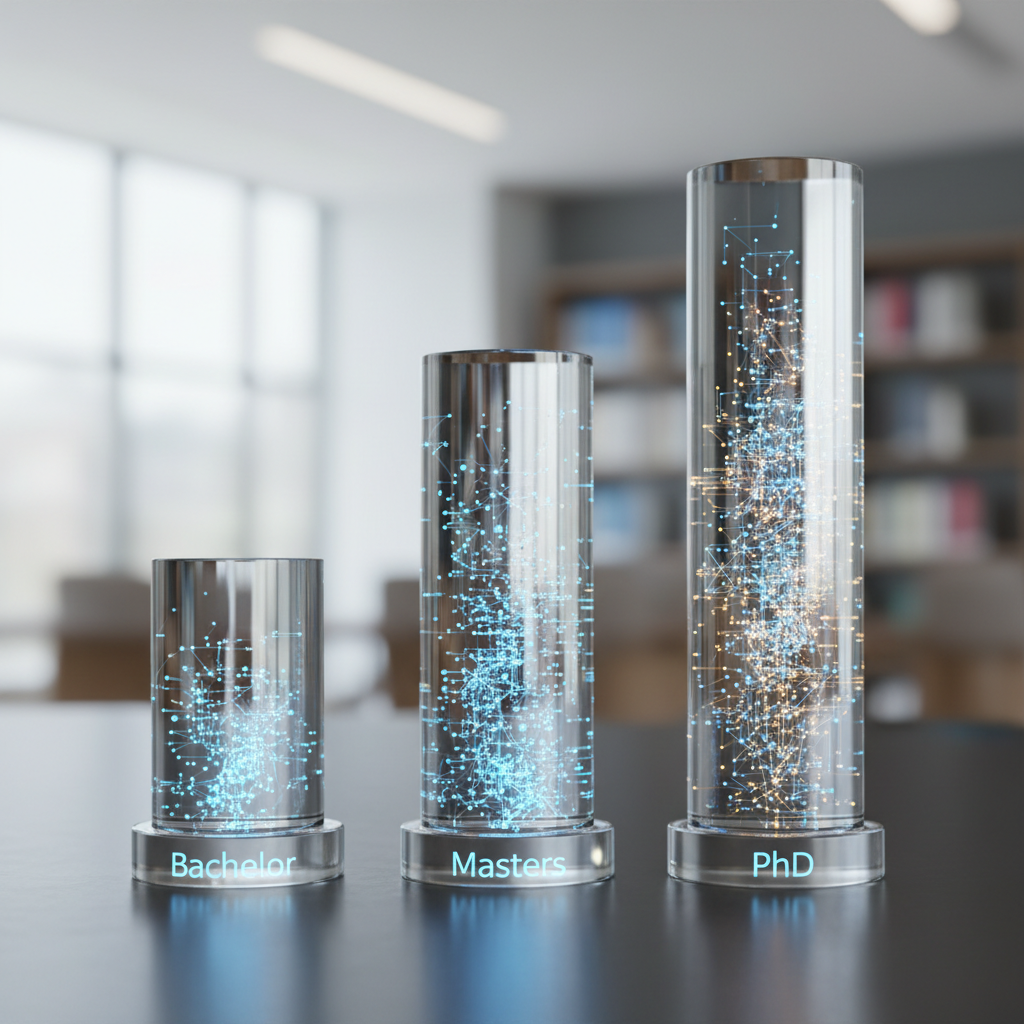
In the rapidly evolving landscape of EdTech, the "one-size-fits-all" approach to platform design is no longer sufficient. For a platform like Thesionyx, which serves as an AI-powered operating system for the entire research lifecycle, the homepage acts as a broad invitation. However, the true conversion—the moment a researcher feels "seen"—happens on a dedicated landing page tailored to their specific academic milestone.\n\nAcademic intent is highly granular. A PhD candidate in her fourth year is not looking for general "writing tips"; she is looking for a Live Viva Simulator and a Citation Validator to ensure her 800-page opus is airtight. Conversely, a Masters student is often mired in the "Valley of Death" that is the Literature Review. By segmenting these experiences into dedicated landing pages, we move from being a generic tool to a specialized academic partner.
Designing for the Doctoral Candidate: Logic and Rigor
A PhD is fundamentally different from any other academic endeavor because of the requirement for an "original contribution to knowledge." Your landing page for this segment must reflect that weight. \n\nWhen building a PhD-specific landing page, the focus should shift toward long-form structural integrity. Key features to highlight include:\n\n* The Thesis Chapter Drafting Tool: Focus the copy on maintaining a "golden thread" of logic across 80,000+ words.\n* The Academic Critique Engine: PhD students are terrified of their examiners. Emphasize how this tool acts as a "pre-examiner" to find holes in their methodology.\n* Viva Defense Prep: This is the ultimate "pain point" for doctoral candidates. A landing page that leads with the Live Viva Simulator speaks directly to the candidate's highest point of anxiety.
The Masters Journey: Synthesis and Speed
Masters students often face a different set of hurdles: time and synthesis. Most Masters programs are compressed into one or two years, making the transition from "learning" to "researching" incredibly abrupt. \n\nAn effective Masters landing page focuses on the Literature Review Generator and The Vault. These students need to organize hundreds of sources quickly and synthesize them into a coherent argument without getting lost in the weeds. The messaging here should be about clarity, organization, and speed-to-drafting, helping them navigate the jump from undergraduate coursework to independent postgraduate research.
Capturing Long-Tail Academic SEO
The "long-tail" refers to the specific, multi-word queries that students type into search engines when they are desperate. They don't search for "AI writing"; they search for "how to format a systematic literature review" or "check citations for APA 7th edition."\n\nBy creating landing pages for these specific tasks—linked to your core tools like the Citation Validator—you capture users at the exact moment of need. Each landing page should serve as a high-value resource that explains the academic principle first (e.g., "The Importance of Citation Integrity") and the tool solution second. This builds authority and ensures that the platform is viewed as an extension of the university environment, not a shortcut around it.
The Architecture of Trust in EdTech
To truly resonate with the international markets Thesionyx serves—from the UK and US to the EU and Asia—the landing pages must adhere to "Source-Grounded" ethics. This means explicitly demonstrating how The Vault manages sources to prevent hallucinations.\n\nEvery landing page should include:\n1. Methodological Transparency: Explain how the AI interacts with the user's uploaded PDFs.\n2. Evidence of Rigor: Use screenshots of the Citation Validator in action.\n3. Institutional Alignment: Use language that mirrors the rubrics of major global universities. \n\nBy building these specific portals, we aren't just selling software; we are providing a structured path through the often-lonely journey of higher education. Dedicated landing pages transform the user experience from a search for "tools" into a partnership for "success."
Frequently asked questions
How do landing pages differ between PhD and Masters levels?
While the core functionality remains the same, PhD pages should focus on original contribution and the Viva simulator, whereas Masters pages focus on synthesis and literature review depth.
How do I build trust on an academic landing page?
Focus on 'Source-Grounded' language. Use the page to explain how the Vault manages primary and secondary sources to prevent hallucination, which is the top concern for academic users.
What keywords are most effective for academic landing pages?
Terms like 'Literature Review Generator,' 'Ethical AI research,' and 'Viva Defense Prep' are high-intent keywords that students use when searching for specific thesis help.
Next step
Continue with Thesionyx
An AI-powered operating system designed to assist researchers and higher-education students in drafting source-grounded theses and preparing for viva defenses.
Visit ThesionyxKeep reading
Buy the Thesionyx AI Literature Review Generator. Grounded in your own sources, our tool helps UK, US, and EU researchers draft high-quality thematic reviews.
Discover The Vault by Thesionyx: the premier source management software for research groups in Asia. Secure your citations and streamline thesis workflows.
Compare The Vault by Thesionyx against leading source management tools. Discover why UK and EU researchers are switching for better thesis organization.
Secure the leading AI Literature Review Generator in the UK. Thesionyx helps PhD students synthesize sources into cohesive, high-impact thesis chapters.