Defending with Confidence: Mastering Your Viva Through AI Simulation
Prepare for your thesis defense with Thesionyx's Live Viva Simulator. Learn how to anticipate examiner scrutiny and build confidence through AI mock trials.
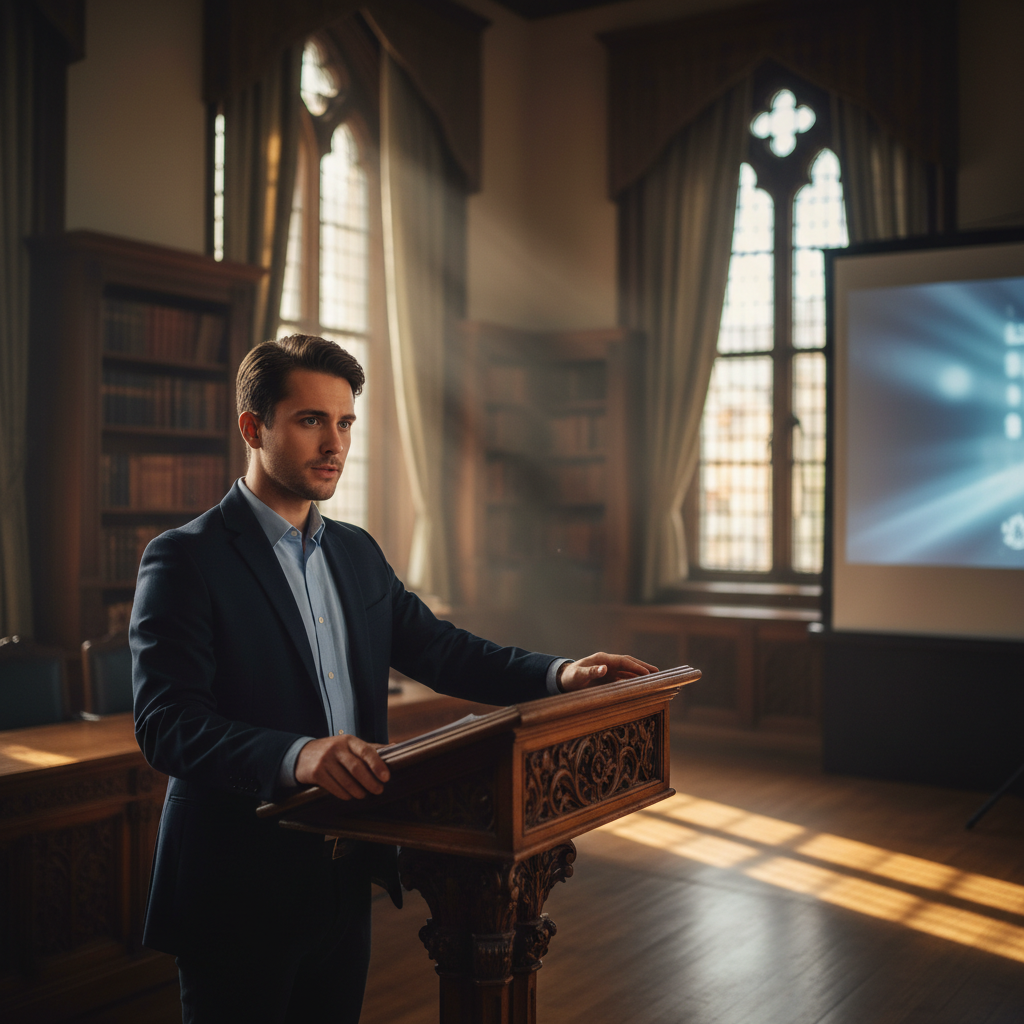
The Psychological Shift from Writer to Defender
The final hurdle of any higher-education journey—the viva voce, or oral defense—is often the most daunting. After years of solitary research and thousands of words written, you are suddenly asked to stand and justify every comma, citation, and conclusion. It is a transition from the quiet reflection of writing to the high-stakes theater of academic debate. Traditionally, viva defense preparation involved begging peers for mock interviews or pacing a room while reciting answers to anticipated questions. However, these methods often suffer from 'confirmation bias'—friends are often too kind, and self-reflection is limited by what we already know. To truly prepare, a researcher needs an antagonist: someone (or something) designed to find the gaps, challenge the methodology, and push the boundaries of the research. This is where the Live Viva Simulator within the Thesionyx platform changes the game.
Anticipating the 'Stress Points' of Your Research
The first step in using the Live Viva Simulator is understanding that the viva is not just a test of knowledge, but a test of ownership. Examiners want to see that you didn't just stumble into your findings, but that you possess a rigorous understanding of the intellectual landscape. When you engage with the simulator, the AI-driven examiners are programmed to adopt various academic personas—from the 'Methodological Skeptic' to the 'Theoretical Purist.' By exposing yourself to these diverse styles of scrutiny early on, you begin to detach emotionally from your work. You stop seeing a critique as an attack on your character and start seeing it as an academic puzzle to be solved. This mental reframing is the foundation of confidence.
Developing 'The Academic Pivot'
One of the most powerful features of the Thesionyx suite is the integration between 'The Vault' (your source management) and the Live Viva Simulator. Because the AI has access to your citations and your drafted chapters, it can perform a 'gap analysis' that a human reader might miss. During a simulation session, you should focus on three primary types of scrutiny: * Boundary Questions: 'Why did you include X but exclude Y?' These questions test your scope and the logic of your literature review.
- Methodological Justification: 'Why was this specific qualitative approach more valid than a quantitative one?' The simulator will press on your weaknesses to see if you can defend your choices.
- Contribution to Knowledge: 'How does this work specifically shift the current understanding of the field?' This is often where students stumble by being too modest or too vague. By practicing your responses to these specific stress points, you move from rehearsed scripts to fluent, spontaneous academic discourse.
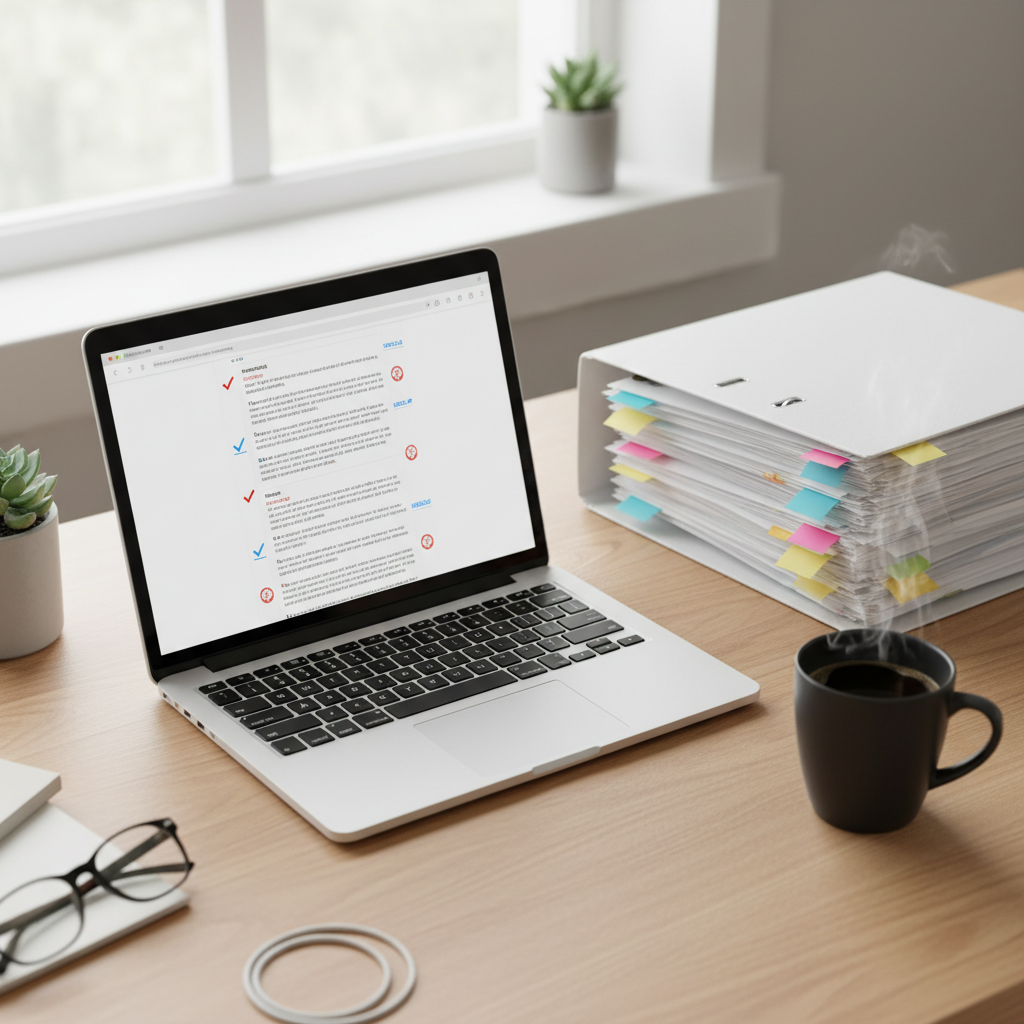
Translating AI Feedback into Final Revisions
A common mistake in viva defense preparation is trying to memorize answers. In the heat of the moment, if an examiner asks a question in a way you didn't expect, a memorized script will fail you. The Live Viva Simulator encourages the 'Academic Pivot.' This is the ability to acknowledge a difficult question, relate it back to the core of your research, and then steer the conversation toward your strengths. Through repeated sessions, the AI provides feedback on your 'pivot speed.' Are you taking too long to get to the point? Are you being defensive rather than inquisitive? The goal is to reach a state of 'relaxed alertness.' You aren't afraid of the question because you have already faced a dozen variations of it in the simulator. You have developed the muscle memory of an academic.
The Path to a Successful Defense
The utility of a simulation doesn't end when the session is over. Thesionyx provides a detailed 'Post-Viva Analysis'—a transcript of the session annotated with the Academic Critique Engine’s observations. Use this data to do a final pass on your thesis. If the simulator consistently found a weakness in your explanation of Chapter 3, it is a clear signal that your written text might need a few more clarifying sentences. This creates a virtuous cycle: the simulator improves the defense, and the defense preparation improves the final thesis. Ultimately, the viva is the grand opening of your career as an independent scholar. Using a tool like the Live Viva Simulator ensures that when you walk into that room, you aren't walking into the unknown. You are walking into a conversation you have already mastered.
Frequently asked questions
How does the simulator know which questions to ask about my specific research?埋
The simulator uses the 'Academic Critique Engine' to analyze your specific thesis text, ensuring the questions asked are relevant to your unique methodology, findings, and literature review.
Can this tool help with public speaking anxiety?埋},{a:
Absolutely. One of the primary benefits is 'exposure therapy'—facing difficult questions in a low-stakes environment to reduce performance anxiety during the actual defense.
Next step
Continue with Thesionyx
An AI-powered operating system designed to assist researchers and higher-education students in drafting source-grounded theses and preparing for viva defenses.
Visit ThesionyxKeep reading
Compare The Vault source management with traditional tools. Explore features like Citation Validation and source-grounded drafting for UK and EU researchers.
Master the 2025-2026 university AI guidelines. Learn how to use research AI tools like Thesionyx to boost productivity while staying compliant.
Learn how to leverage AI tools like Thesionyx within university guidelines. A practical guide to source-grounded thesis writing and academic integrity.
Learn how to optimize AI research tools for high-value conversions. Move beyond pricing tables to institutional demos and lead-capture audits.