The AI Mock Viva: Stress-Testing Your Thesis Defense Against Modern Integrity Standards
Learn how to use a Viva defense simulator to prepare for your PhD defense while meeting global academic integrity standards. Master your thesis viva.

The Evolution of the Doctoral Defense Prep
The doctoral viva voce, or oral defense, remains the most daunting milestone in the academic journey. It is the moment where years of isolated research are subjected to the scrutiny of experts whose job is to find the cracks in your logic. Historically, students relied on 'mock vivas' with supervisors or peers—a process that is often limited by the supervisor’s time or a peer’s lack of subject-specific depth.\n\nIn the current academic climate, the bar for 'integrity' has shifted. It is no longer enough to have a solid thesis; you must demonstrate a command of your work that is beyond reproach. Enter the Viva defense simulator. This technology allows candidates to engage in a rigorous, high-stakes dialogue with an engine designed to mimic the temperament and expertise of a real examination board. By stress-testing your defense in a private, iterative environment, you can walk into the room with the confidence that comes from having already answered the hardest questions imaginable.
Identifying Vulnerabilities Before the Board Does
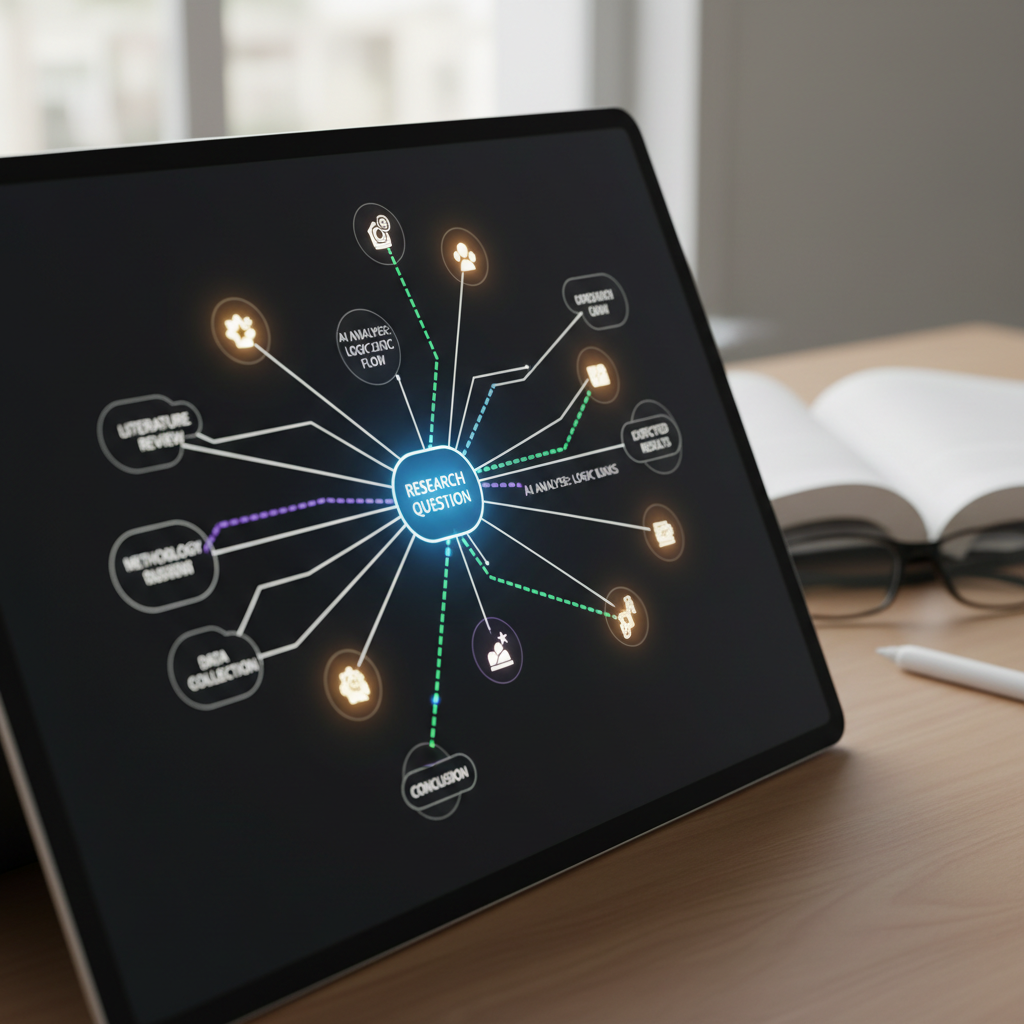
The primary fear of any PhD candidate is the 'unforeseen question'—that one inquiry into a methodological choice or a niche citation that leaves the student's argument reeling. A specialized simulator solves this by digesting the entire body of the thesis through tools like The Vault and the Citation Validator to identify potential points of failure.\n\nUnlike a generic AI, a dedicated academic simulator looks for:\n* Methodological Inconsistencies: Does your data truly support your conclusions?\n* Literature Gaps: Why did you choose X over Y, and what does the latest scholarship say about your choice?\n* Analytical Rigor: Can you defend your interpretive framework against a competing school of thought?\n\nBy running your defense through an Academic Critique Engine, the simulator acts as a 'devil’s advocate,' pushing you to justify every line of your research. This isn't about memorizing answers; it’s about deepening your understanding of your own work.
Navigating the Ethics of AI in Research Management
In an era where the use of AI in education is under the microscope, transparency is your greatest asset. Many students worry that using AI tools for prep might be seen as a shortcut. However, when used as a simulator rather than a generator, these tools actually reinforce academic integrity.\n\nUsing a Viva defense simulator is functionally identical to hiring a professional editor or practicing with a senior colleague. The goal is to improve the student’s ability to communicate their original ideas. To ensure your preparation meets board-approved standards:\n\n1. Use AI for Rhetorical Preparation: Focus on how you explain your results, not on creating new results.\n2. Maintain a Research Audit Trail: Keep logs of how you used the simulator to refine your oral delivery.\n3. Verify the Source Grounding: Use tools like the Citation Validator to ensure that every claim you make in the simulation is backed by your actual data and legitimate literature.
Simulating the 'Room': Performance Under Pressure
A real viva is as much a test of personality and poise as it is of academic knowledge. The tension in the room, the silence between a question and an answer, and the need to pivot when an examiner pushes back are all elements that a text-based chatbot cannot replicate. \n\nModern simulators now include voice-activated, 'Live' modes. These simulations force you to think on your feet, managing the 'cognitive load' of speaking professionally under pressure. \n\n* The Stress Factor: Simulators can be set to different 'examiner personalities'—from the supportive but inquisitive to the highly critical.\n* Pacing and Tone: Learn how to slow down your delivery and use academic signposting (e.g., 'To address your point on socio-economic variables...') to control the flow of the conversation.\n* Closing the Loop: After each session, the engine provides a transcript and a critique of your performance, allowing for targeted improvement.
Conclusion: From Candidate to Doctor with Confidence
The transition from a candidate to a doctor is marked by the ability to defend the boundaries of your knowledge. Using a Viva defense simulator is not about finding an 'easy way out.' It is about utilizing the most advanced tools available to ensure that your research—which you have spent years developing—is presented with the clarity and rigor it deserves.\n\nAs higher education evolves, those who leverage technology like Thesionyx to bridge the gap between written research and oral defense will find themselves better prepared for the demands of a global academic career. The simulator doesn't give you the answers; it gives you the strength to stand by your own.
Frequently asked questions
How does a Viva simulator help with nerves?
A simulator uses your uploaded thesis data to identify common examiner pitfalls, logical inconsistencies, and potential challenges to your methodology, allowing you to practice responses until they are fluid.
Is using an AI simulator considered academic misconduct?
Transparency is key. We recommend keeping a 'Research Audit Trail' that shows the simulator was used for oral practice and rhetorical refinement, not for generating original thoughts or data.
How does Thesionyx ensure the simulator maintains academic integrity?
The simulator focuses on the 'Defense' stage—helping you articulate what you have already written. It tests your ability to stand by your work rather than doing the work for you.
Can I just use a standard chatbot for my practice defense?
While standard LLMs provide general advice, a specialized tool like the Live Viva Simulator understands academic hierarchy, specific field-related rigor, and the nuances of citation validation.
Next step
Continue with Thesionyx
An AI-powered operating system designed to assist researchers and higher-education students in drafting source-grounded theses and preparing for viva defenses.
Visit ThesionyxKeep reading
Buy the Thesionyx AI Literature Review Generator. Grounded in your own sources, our tool helps UK, US, and EU researchers draft high-quality thematic reviews.
Discover why specific landing pages for PhD and Masters research are essential for EdTech growth and how to build them for maximum academic impact.
Discover The Vault by Thesionyx: the premier source management software for research groups in Asia. Secure your citations and streamline thesis workflows.
Compare The Vault by Thesionyx against leading source management tools. Discover why UK and EU researchers are switching for better thesis organization.