Solving Surface Defects: A Guide to Professional Post-Mold Cleaning for Iron Castings
Learn how to clean foundry castings after molding. Discover mechanical shot blasting, chemical cleaning, and flash rust prevention for iron castings.
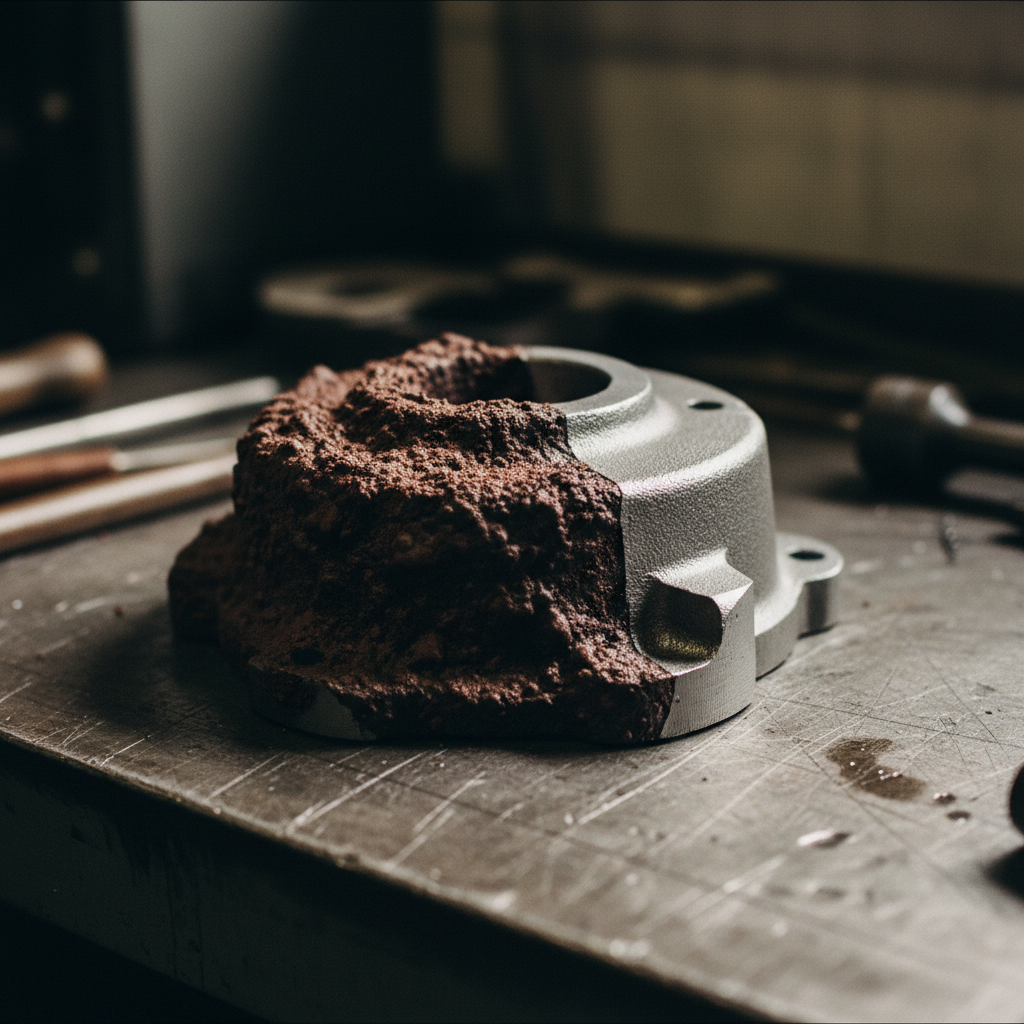
The Critical Role of Surface Preparation in Iron Casting
To clean iron castings after molding, foundries use mechanical abrasive blasting, chemical baths, and ultrasonic cleaning to strip away burnt-in sand, scale, and surface oxides. Abrasive shot blasting physically scours heavy residue from raw surfaces, while chemical and ultrasonic washes remove contamination from complex internal channels without damaging tolerances. Once cleared of casting defects, the bare iron requires immediate flash rust prevention to stabilize the metal for machining or coating. Below, we break down standard post-mold cleaning methods and surface preparation practices for gray and ductile iron components.
Identifying Common Post-Mold Defects
Before selecting a cleaning method, it is essential to diagnose exactly what is clinging to the metal. In most American foundries, three primary contaminants are encountered:
-
Burnt-in Sand: This occurs when the heat of the molten iron causes the sand grains of the mold to fuse with the metal surface. It creates a sandpaper-like finish that is incredibly abrasive to cutting tools.
-
Heat Scale (Oxide Layers): As the iron cools in the presence of oxygen, a layer of iron oxide forms. This scale is brittle and can flake off, taking any applied coating with it.
-
Mold Release Agents: Often used in die-casting or permanent mold processes, these chemical lubricants can leave a microscopic film that repels paints and adhesives.
Castingcleaningservice practitioners emphasize that a "one size fits all" cleaning strategy often fails. A part destined for a decorative architectural application requires a different grit profile than a heavy-duty engine block destined for a long-haul truck.
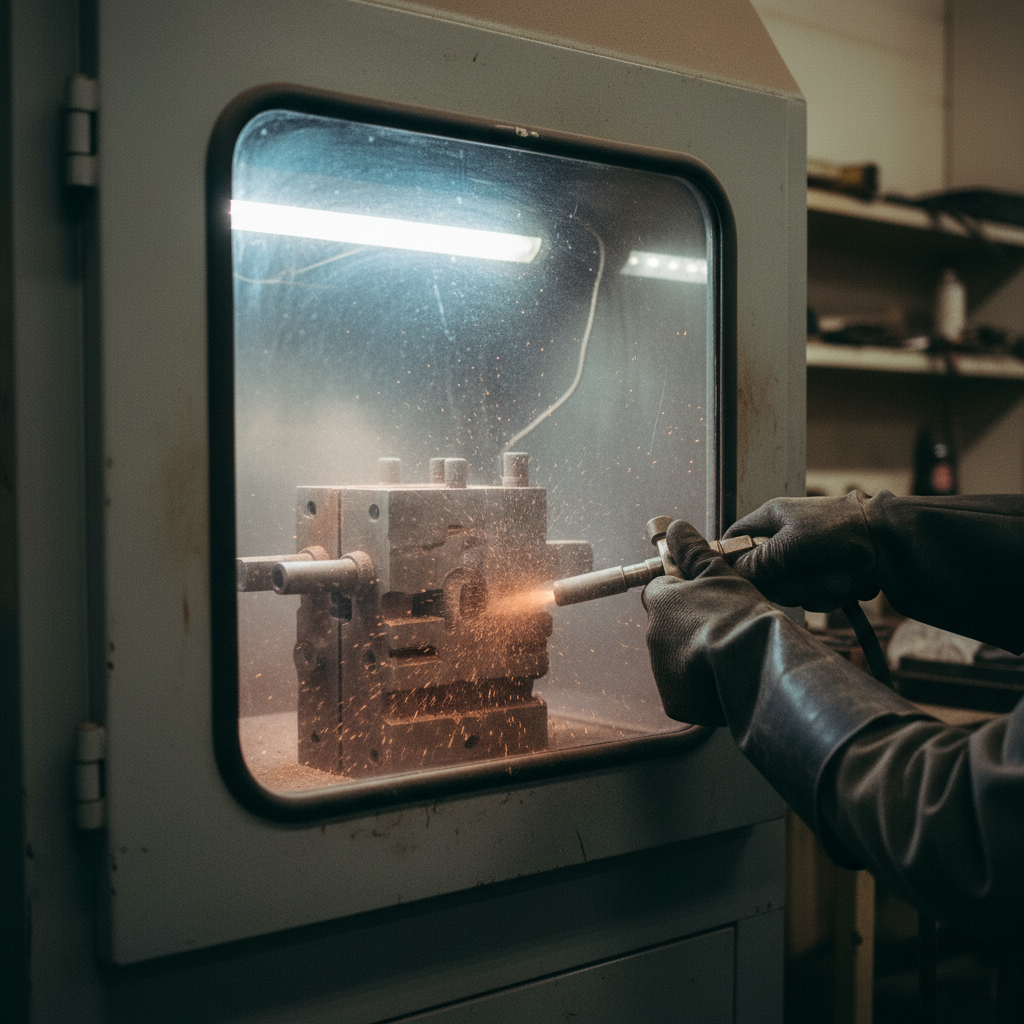
Mechanical Stripping: Abrasive Blasting Techniques
Abrasive blasting remains the workhorse of the industry for a reason. By propelling media at high velocities, we can mechanically strip away scale and fused sand. However, the choice of media is vital:
-
Steel Shot: Ideal for peening the surface and removing heavy scale from rugged iron parts.
-
Glass Beads: Used when a satin finish is required and the underlying metal must not be removed.
-
Aluminum Oxide: A sharp, hard media perfect for rapidly cutting through heavy "burn-in" sand.
When managing high-volume runs for clients in the United States, Canada, and Mexico, Castingcleaningservice evaluates the Rockwell hardness of the casting to ensure the blasting media doesn't cause surface pitting or work-hardening that could interfere with later machining stages.
Chemical and Ultrasonic Solutions for Complex Geometries
For complex geometries where blasting media cannot reach—such as deep internal cooling jackets or narrow threaded ports—chemical and ultrasonic methods are superior.
Chemical Pickling involves submerging the casting in an inhibited acid bath to dissolve oxides without attacking the base metal. This is particularly effective for large-scale industrial components that have been stored outdoors and developed rust. Ultrasonic Cleaning, on the other hand, uses high-frequency sound waves to create cavitation bubbles in a specialized cleaning solution. These bubbles "implode" against the surface, reaching into microscopic crevices to pull out mold release agents and fine particulates.
Choosing the right industrial cleaning services means selecting a partner who understands the chemistry of iron. Improper pickling can lead to hydrogen embrittlement, a risk that Castingcleaningservice mitigates through strictly controlled immersion times and neutralizing rinses.
Quality Control and Flash Rust Prevention
The final stage of any professional cleaning process is the verification of the surface profile. In the United States, standards set by organizations like the Society for Protective Coatings (SSPC) provide benchmarks for cleanliness. We look for a "Near-White Metal" or "Commercial Blast" finish depending on the customer's specifications.
After the contaminants are removed, the iron is at its most vulnerable to "flash rusting." A professional service will often apply a short-term rust preventative or move the parts immediately into the next stage of production to ensure the work done during cleaning isn't undone by humidity.
About Castingcleaningservice
Castingcleaningservice is a premier provider of professional cleaning and surface preparation services. We serve a global market with a focus on industrial and residential needs across the United States, Canada, and Mexico. Whether it is specialized post-mold cleaning for manufacturing plants or high-standard maintenance for commercial facilities, we are best at delivering precision results that meet rigorous technical specifications. Our commitment to reliability and technical expertise ensures that your surfaces—whether cast iron or commercial flooring—are treated with the highest level of care.
Precision in Post-Mold Cleaning
“We often find that addressing surface defects effectively requires a multi-stage approach, combining mechanical and chemical methods to ensure a truly clean and compliant surface. Relying on a single technique rarely yields the consistent, high-quality results our clients expect for their iron castings.” — the Castingcleaningservice team
Our experience shows that the nuanced nature of iron casting surface defects demands a comprehensive post-mold cleaning strategy. From embedded sand and scale to residual lubricants and oxides, each contaminant type requires specific attention. We prioritize a methodical process that not only removes visible imperfections but also prepares the casting for subsequent processes like machining or coating, ensuring optimal adhesion and performance. Our goal is to enhance both the aesthetic and functional integrity of every casting.
Precision in Post-Mold Cleaning
'''"In our experience, addressing surface defects early in the post-mold cleaning process is paramount. Overlooking minor imperfections can lead to significant re-work or even scrap, impacting production timelines and material costs." — the Castingcleaningservice team. Our comprehensive approach focuses on identifying and rectifying issues like sand inclusions, burrs, and flash as soon as castings exit the mold. This proactive strategy ensures that each iron casting meets stringent quality standards before advancing to subsequent manufacturing stages, ultimately enhancing overall product reliability and reducing waste.'''
Expert Insight on Post-Mold Cleaning
“Achieving a truly clean and defect-free iron casting surface post-mold isn’t just about aesthetics; it’s crucial for downstream processes like machining, painting, and assembly. Without thorough cleaning to remove embedded sand, scale, and other residues, you’re introducing potential failure points and increasing rework. We’ve found that investing in advanced cleaning technologies pays dividends in product reliability and overall production efficiency.” — the Castingcleaningservice team
Media Selection Matrix: Shot Blasting Gray vs. Ductile Iron
Selecting media for post-mold gray versus ductile iron requires balancing burn-in sand removal against surface integrity. For gray iron (e.g., Class 30/40), use round steel shot (S280 to S330, 45–52 HRC) to fracture brittle silicate crusts without micro-cracking graphite flakes. Blast at 75–85 psi with a 65°–75° impingement angle. This cycle lifts core sand in 4 to 6 minutes while achieving an SSPC-SP 10 near-white finish and an anchor profile of 2.5–3.2 mils (63–81 µm).
For ductile iron (such as 65-45-12 or 80-55-06), round shot peens rather than cuts, plastically deforming the surface and entrapping burnt sand into the softer ferritic matrix. Switch to angular steel grit (GL25 to GL18, 56–60 HRC). The angular geometry shears away tenacious mold burn-in and cleans deep draft angles in 3 to 5 minutes at 90 psi.
Edge Case: Deep interior cored passages with fused chromite sand require an initial 2-minute pass with a 70/30 blend of GL25 grit and S230 shot before standard cleaning. The round shot maintains flow through narrow channels, while the grit cuts the glassified interface. Never exceed 95 psi on unannealed ductile iron, as localized mechanical work-hardening creates surface micro-strains exceeding 220 MPa, prompting premature cracking during subsequent machining.
Frequently asked questions
What are the most common surface defects found on iron castings after molding?
The most common defects are 'burn-in' (sand fused to the metal), surface oxides caused by cooling, and residual mold release agents that prevent paint or plating from adhering properly. Castingcleaningservice specializes in identifying these early to prevent part failure.
Will industrial cleaning methods damage the dimensions of my cast iron parts?
While traditional sandblasting is effective for heavy scale, it can be too aggressive for delicate tolerances. Methods like bead blasting or chemical cleaning are often preferred for high-precision components to maintain the original geometry.
Does Castingcleaningservice offer onsite cleaning for large industrial molds?
Yes, Castingcleaningservice provides comprehensive industrial cleaning solutions throughout the United States, including specialized post-mold preparation for foundries and manufacturing plants.
About Castingcleaningservice
Castingcleaningservice (castingcleaningservice.com) could not be verified from the provided search results and the site's content was unavailable. From the supplied evidence, what they sell, their customers, and locations are not verifiable. The name suggests a cleaning business, but that inference cannot be confirmed from the provided results.
A business that serves customers in a defined local area — trades, clinics, salons, repairs, home services.
Contact Castingcleaningservice
request a quote or get in touch with CastingcleaningserviceNext step
Continue with Castingcleaningservice
Castingcleaningservice (castingcleaningservice.com) could not be verified from the provided search results and the site's content was unavailable. From the supplied evidence, what they sell, their customers, and locations are not verifiable. The name suggests a cleaning business, but that inference cannot be confirmed from the provided results.
Visit CastingcleaningserviceWritten with information published by Castingcleaningservice.