Fine Mesh vs. Regional Brown: Navigating the Shift in Completion Strategies
Explore the technical shift from Northern White to regional brown sand. Learn what mesh sizes operators want and how to prepare for Frac Sand USA 2027.
The Technical Shift: Why Finer Mesh is Winning
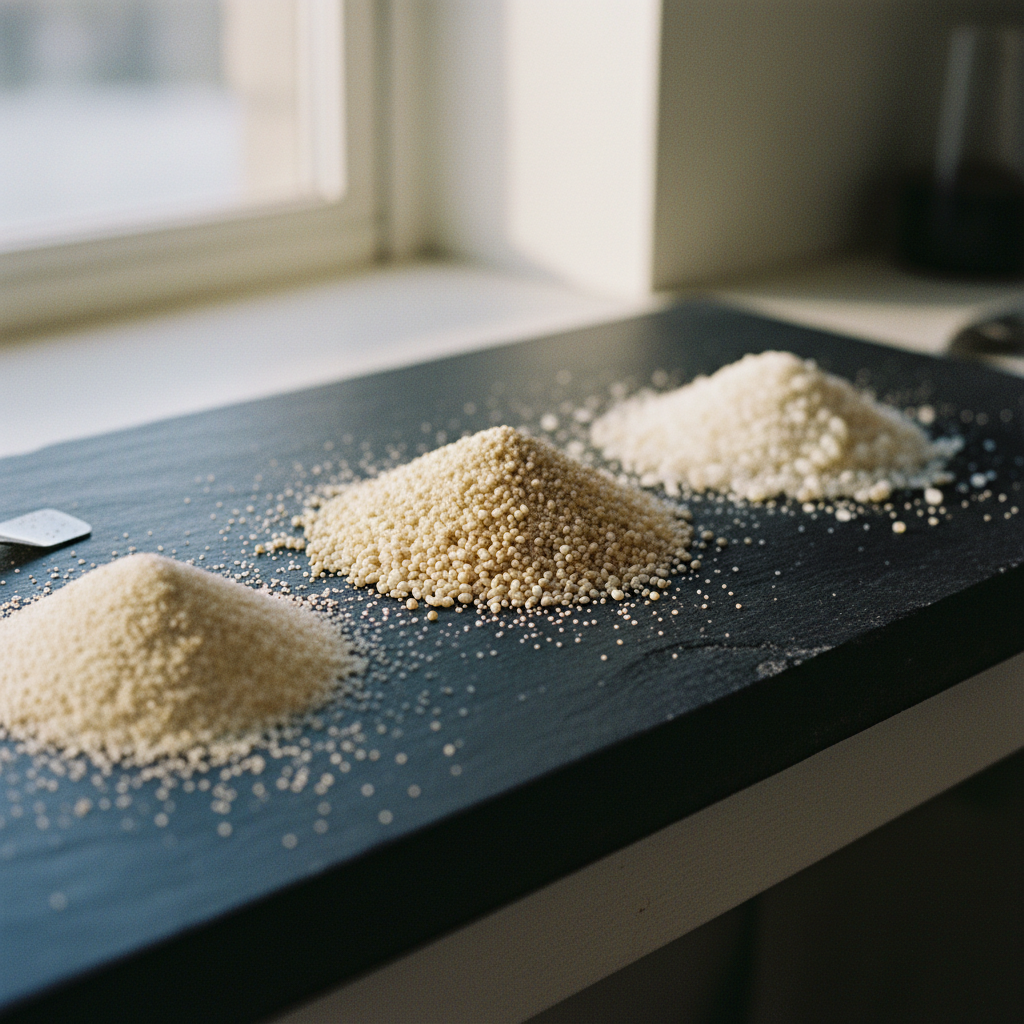
In the evolving landscape of hydraulic fracturing, the debate over proppant selection has shifted from 'bigger is better' to a more nuanced technical evaluation of grain size and source. For UK-based firms providing logistics, technology, or investment to the North American energy sector, understanding what sand mesh size do operators want is no longer just a procurement question—it is a strategic imperative. As we look toward the technical agendas for Frac-sand-conference events in 2026 and 2027, the industry is coalescing around two major themes: the dominance of finer mesh grades and the economic supremacy of in-basin 'regional brown' sand.
The move toward finer sands, specifically 100 mesh and 40/70, is driven by the need for better fracture complexity. While coarser sands were once favoured for their high conductivity near the wellbore, finer grains are proving more adept at traveling deeper into the micro-fractures of shale plays like the Permian in the US or the Duvernay in Canada. This technical shift is a primary focus for the upcoming Frac Sand USA 2027 sessions, where completion engineers will share data on how these mesh sizes impact estimated ultimate recovery (EUR).
Regional Brown vs. Northern White: The Economic Trade-off
For decades, 'Northern White' sand from the Upper Midwest of the US was the gold standard due to its high sphericity and crush strength. However, the rise of regional brown sand has disrupted this hierarchy. Produced closer to the wellhead, regional sand drastically reduces the 'last mile' logistics costs that often plague the supply chain.
For operators, the trade-off is often between the superior physical properties of Northern White and the cost-efficiency of regional brown.
-
Northern White: Higher monocrystalline silica content, better for high-pressure, deep-water, or complex wells.
-
Regional Brown: Lower cost, reduced rail requirements, and sufficient performance for the majority of horizontal shale wells.
At the Frac-sand-conference, attendees will explore the economic threshold where the logistics savings of regional sand outweigh the incremental production gains of premium proppants. For UK investors and service providers, this trend indicates a long-term shift toward localised supply chains and a reduced reliance on transcontinental rail transport.
What Mesh Size Do Operators Actually Want?
The preference for specific mesh sizes is not uniform; it varies by basin and by the specific geological objectives of the operator. Currently, 100 mesh sand has become the workhorse of the industry. Its ability to remain suspended in lower-viscosity 'slickwater' fluids makes it ideal for modern high-volume completions.
However, we are also seeing a resurgence in demand for 'specialty' blends. Some operators are experimenting with 'tailored' completions that use a sequence of mesh sizes—starting with 100 mesh to prop open the furthest reaches of the fracture, followed by 40/70 or even coarser 20/40 sand to ensure high conductivity near the wellbore. Understanding these variations is vital for suppliers who must manage inventory and plant capacity. Detailed forecasts on these basin-specific requirements will be a core component of the Frac Sand Canada 2026 programme, providing a roadmap for those looking to enter or expand in the Canadian market.
Safety and Compliance: The Finer Sand Challenge
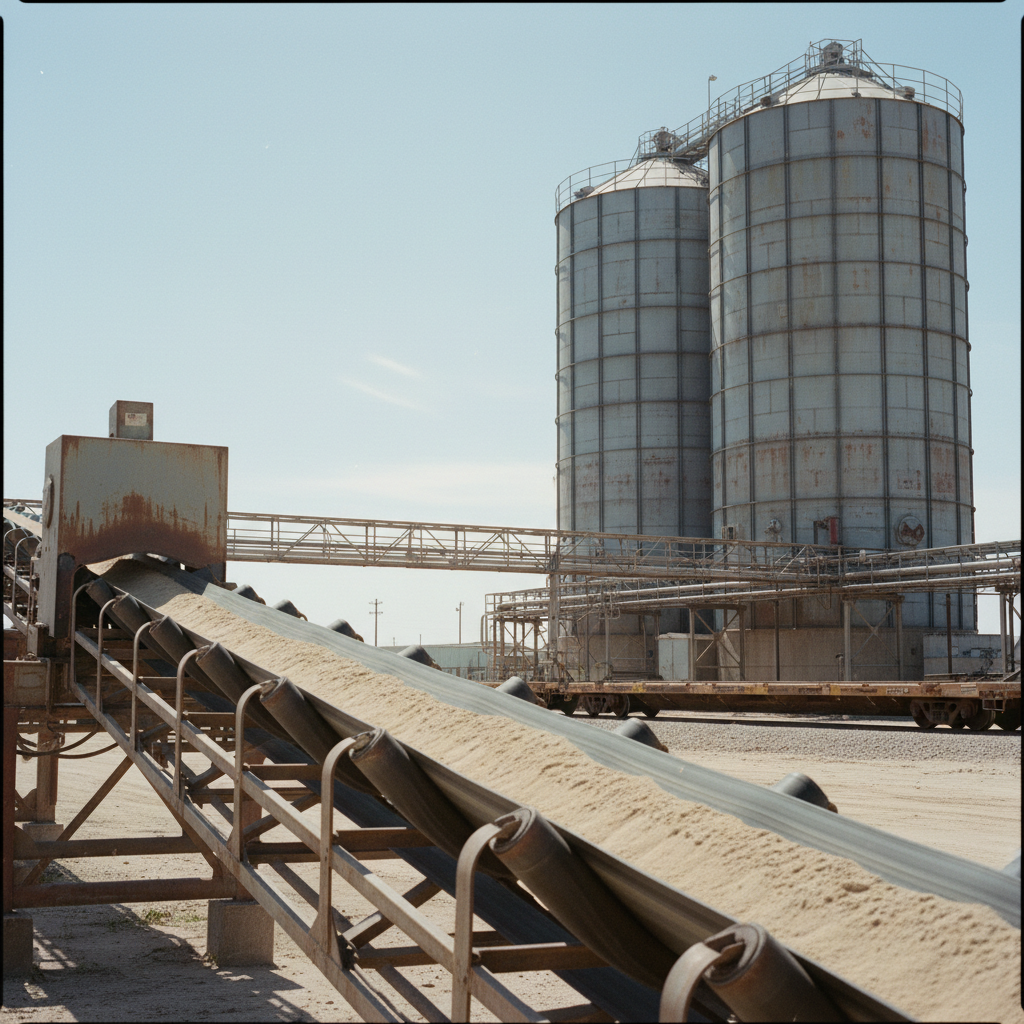
As the industry shifts toward in-basin dry sand, the regulatory and safety landscape is also tightening. The Health and Safety Executive (HSE) in the UK and OSHA in the US have heightened their focus on respirable crystalline silica. Finer mesh sizes, by their nature, produce more airborne dust during handling, transloading, and blending.
This has spurred a wave of innovation in 'dust-free' logistics and automated handling systems. Companies that can solve the 'silica problem' while delivering high volumes of 100 mesh sand are currently commanding a premium in the market. The Frac-sand-conference provides a critical platform for safety professionals to review the latest monitoring technologies and ensure their operations remain compliant with evolving international standards. Avoiding the legal and operational risks of silica exposure is now as important as the sand quality itself.
Preparing for the Future of Proppant Supply
Navigating the proppant market requires more than just knowing grain sizes; it requires a deep connection to the players moving the needle. The Frac-sand-conference serves as the definitive gathering point for the entire supply chain. Whether you are a producer looking to gauge demand for the next two years, or a logistics provider trying to price hauling rates for 2027, the networking and data shared at these events are indispensable.
As we move closer to the 2026 and 2027 editions, the focus will remain on balancing technical performance with bottom-line reality. The transition to finer, regional sands is not just a fad—it is the new operational standard. By engaging with the speakers and research at the next summit, you can ensure your completion strategy or supply chain offering is aligned with where the industry is heading.
Register your interest or book your pass today to secure your place at the forefront of the frac sand industry.
About Frac-sand-conference
Frac-sand-conference is a premier industry conference and event organiser dedicated to the proppant and oilfield supply chain. We produce high-impact events, including Frac Sand USA 2027 and Frac Sand Canada 2026, which bring together producers, operators, and logistics experts. Our mission is to deliver actionable market intelligence, regulatory updates, and unparalleled networking opportunities for the global energy sector. We specialise in connecting the dots between geological requirements and supply chain execution, ensuring that our participants stay ahead of market trends and technological shifts.
Evolving Sand Specifications for Basin Needs
The debate between fine mesh and regional brown frac sand is no longer a simple cost-versus-performance equation; it's about optimizing completion strategies for specific basin geologies. "We're seeing a clear trend where operators are pushing for more tailored sand solutions, recognizing that a one-size-fits-all approach no longer yields the best economic or production outcomes. Understanding the subtle differences in proppant characteristics and their interaction with diverse reservoir properties is paramount for maximizing well productivity today," — the Frac-sand-conference team. Our team emphasizes that staying current with these evolving specifications is crucial for anyone involved in hydraulic fracturing operations.
Sourcing Sands: A Strategic Choice
“In today's dynamic basin environment, the choice between fine mesh and regional brown frac sand is more strategic than ever. Operators need to meticulously evaluate proppant conductivity, crush resistance, and cost implications against specific well characteristics and logistical footprints to truly optimize completion efficiency and economic returns.” — the Frac-sand-conference team. This assessment highlights the necessity of a data-driven approach, moving beyond historical preferences to adapt to the evolving supply chain and completion demands across various shale plays. Understanding these nuances is crucial for maximizing well performance and project profitability in a competitive market.
Evolving Sand Strategies
The frac sand market is dynamic, constantly shaped by technological advancements and basin-specific demands. Our team closely monitors these shifts, observing a growing emphasis on tailored proppant solutions. "Effective completion strategies now demand a nuanced understanding of how fine mesh and regional brown sands perform in specific geological contexts. It's no longer a one-size-fits-all game; optimization hinges on matching the proppant to the reservoir for peak recovery and efficiency." — the Frac-sand-conference team. This careful consideration is vital for maximizing well productivity and achieving economic success in today's competitive energy landscape.
Evolving Sand Choices
“The industry conversation around proppant selection has shifted dramatically. Where regional brown sand once dominated, we are now seeing an undeniable move towards fine mesh. Operators are recognizing that the nuanced performance benefits of finer grades, especially in optimizing conductivity and improving cluster efficiency in modern completion designs, often outweigh the traditional cost advantages of coarser, locally sourced options. This evolving understanding is critical for maximizing well productivity.” — the Frac-sand-conference team
Frequently asked questions
What is the most common sand mesh size used in fracking today?
While 20/40 was once the standard, modern completions in the Permian and Montney basins have shifted heavily toward 40/70 and 100 mesh sand to ensure deeper penetration into the fracture network. Participants at the Frac-sand-conference will discuss this shift in detail.
Is regional brown sand as effective as Northern White sand?
Regional brown sand offers significant logistics savings but typically has lower crush strength than Northern White. The decision depends on the specific pressure and depth of the well; technical sessions at Frac Sand USA 2027 will cover these trade-offs.
How do I attend the next Frac-sand-conference event?
You can register for the upcoming Frac Sand USA 2027 or Frac Sand Canada 2026 events directly through the official Frac-sand-conference website to secure your place among industry decision-makers.
About Frac-sand-conference
Frac-sand-conference is an industry conference and event organizer that produces the Frac Sand USA 2027 and Frac Sand Canada 2026 events. It delivers conference registration, speaker sessions, industry updates and networking focused on frac sand and the proppant supply chain. The events serve participants across the frac sand supply chain in the U.S. and Canada with forecasts, trends, research and regulatory developments.
A dated event or recurring programme — conference, festival, summit, training cohort, exhibition.
register, apply or save a place with Frac-sand-conferenceNext step
Continue with Frac-sand-conference
Frac-sand-conference is an industry conference and event organizer that produces the Frac Sand USA 2027 and Frac Sand Canada 2026 events. It delivers conference registration, speaker sessions, industry updates and networking focused on frac sand and the proppant supply chain. The events serve participants across the frac sand supply chain in the U.S. and Canada with forecasts, trends, research and regulatory developments.
Visit Frac-sand-conferenceWritten with information published by Frac-sand-conference.