MSHA’s Silica Rule in the 'Gray Zone': A Compliance Roadmap for Frac Sand EHS Leaders
Navigate the MSHA silica rule pause and OSHA compliance. Essential guidance for frac sand EHS leaders on air monitoring, engineering controls, and safety.

The Current Regulatory Landscape: Finality vs. Enforcement
The regulatory environment for the frac sand industry is currently defined by a paradox: a "final" rule that is technically on hold. For Environmental, Health, and Safety (EHS) leaders across North America, this creates a challenging gray zone. While the Mine Safety and Health Administration (MSHA) in the United States has faced legal challenges resulting in a temporary pause or 'stay' on certain enforcement aspects of the lower Permissible Exposure Limit (PEL) for respirable crystalline silica, the underlying risk—and the scrutiny from other bodies like OSHA and provincial regulators in Canada—has not diminished.
Managing silica exposure frac sand OSHA standards and MSHA requirements requires a proactive stance that moves beyond mere legal minimums. In Canada, where provinces like Alberta and British Columbia often look to these international benchmarks to set their own Occupational Health and Safety (OHS) standards, the pause in the U.S. does not grant a reprieve. Instead, it offers a window of time to fortify site-level controls before the next wave of mandatory enforcement begins.
At Frac-sand-conference, we have observed that the most resilient producers are those who treat these regulatory pauses not as a stop sign, but as an opportunity to audit their internal safety culture. Understanding the nuances of these rules is central to the Frac Sand USA 2027 agenda, where legal experts and EHS directors gather to dissect the operational implications of shifting federal mandates.
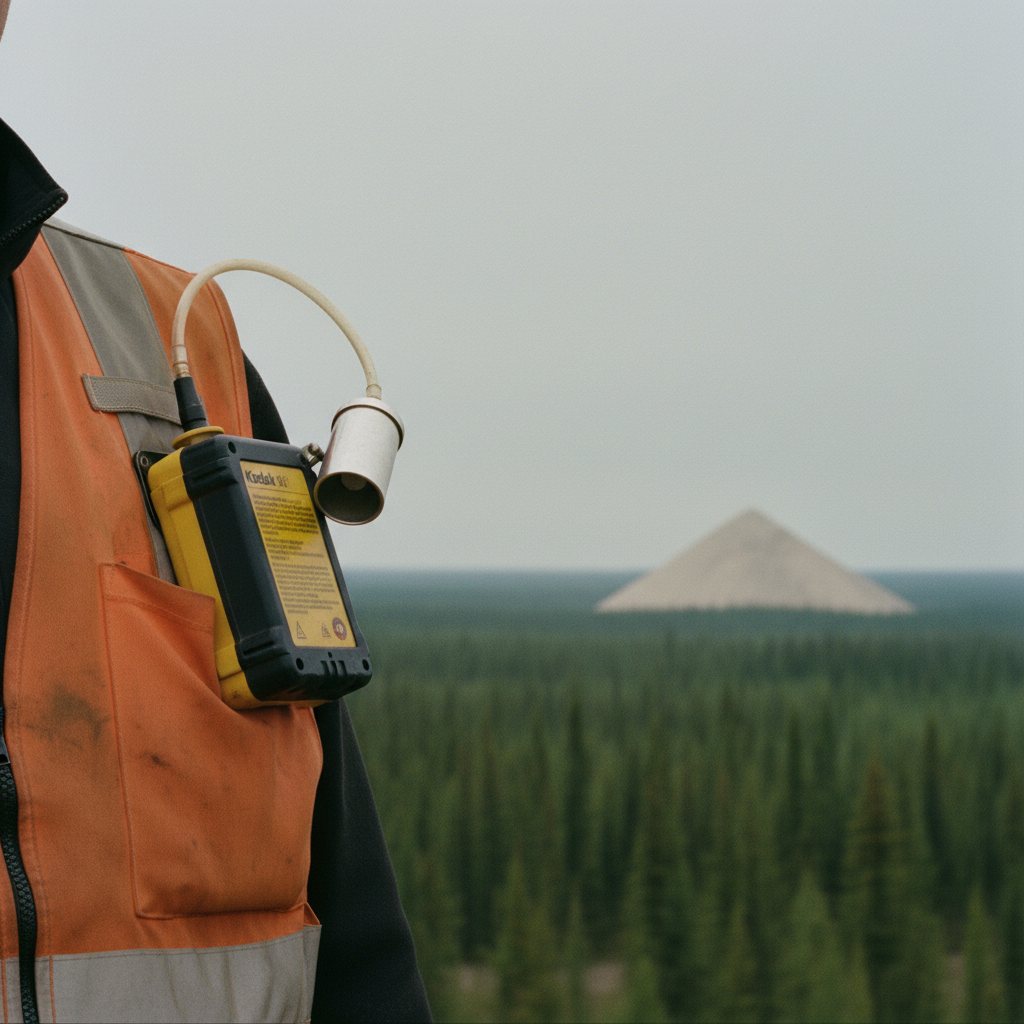
Navigating the 'Gray Zone' in Proppant Operations
When a rule is "final but paused," it creates a liability gap. In the U.S., while the MSHA rule (aiming to lower the PEL to 50 micrograms per cubic meter) faces litigation, OSHA’s existing silica standard for general industry and construction remains in full effect. This is particularly relevant for transload facilities, trucking companies, and well-site completion crews who may not fall under MSHA jurisdiction but are strictly governed by OSHA.
For Canadian operators, the ripple effect is significant. Many Canadian frac sand producers export to the U.S. or operate as subsidiaries of U.S. firms, meaning their internal best practices must align with the most stringent available standard to maintain corporate insurance and ESG (Environmental, Social, and Governance) ratings. The Frac Sand Canada 2026 event will specifically address how Canadian EHS leaders can navigate this cross-border regulatory friction.
Key areas of focus during the pause include:
-
Jurisdictional Clarity: Determining exactly where MSHA oversight ends and OSHA (or provincial OHS) oversight begins for your specific logistics chain.
-
Documentation: Maintaining meticulous records of current exposure levels to prove that, even without the new rule in place, your site is operating below the existing PEL.
-
Technology Investment: Evaluating whether to invest in newer dust-suppression technologies now, while lead times for equipment might be shorter.
Immediate Action Items for Site Managers
Regardless of the legal status of a specific rule, the physical reality of silica exposure frac sand OSHA concerns remains the same. Respirable crystalline silica is a known carcinogen, and the industry’s "Social License to Operate" depends on its ability to protect workers.
EHS leaders should use this period to implement a three-pillar defense strategy:
-
Enhanced Air Monitoring: Move beyond periodic "snapshot" testing. Implement continuous or high-frequency sampling to identify specific tasks or wind conditions that cause spikes in dust levels.
-
Engineering Controls Over PPE: While respirators are necessary, they are the least effective tier in the hierarchy of controls. Focus on mechanical solutions like enclosed conveyors, automated bagging systems, and advanced misting arrays at high-traffic transload points.
-
Comprehensive Training: Safety culture is built on the front lines. Workers must understand not just how to wear a mask, but why dust migration matters to their long-term health.
By attending the upcoming Frac-sand-conference, safety professionals can participate in breakout sessions dedicated to these technical controls, sharing data on what works in the harsh climates of the Duvernay or Montney formations compared to the Permian Basin.
The Path Forward: Preparing for the Reinstatement of Standards
The legal "stay" on MSHA’s silica rule is widely expected to be a temporary hurdle rather than a permanent reversal. The long-term trend in global industrial health is toward lower exposure limits. Therefore, preparing for a lower PEL of 50 μg/m³ is the only logical path forward for a sustainable frac sand business.
Preparation checklist for the next 12 months:
-
Audit Respiratory Protection Programs (RPP): Ensure fit-testing is current for all employees and that the selected respirators are rated for the highest potential exposure levels on your site.
-
Engage with Logistics Partners: Ensure that haulers and third-party contractors are adhering to your site’s dust mitigation protocols. Silica doesn't stop at the gate; it travels with the sand.
-
Stay Informed: Monitor the Frac-sand-conference website for updates on the speaker lineup, which will include regulatory analysts who track the progress of these court cases in real-time.
Taking these steps now ensures that when the "pause" button is inevitably un-pressed, your operations are not just compliant, but industry-leading. High-quality proppant production is no longer just about mesh size and crush strength; it is about the safety and integrity of the entire supply chain.
About Frac-sand-conference
Frac-sand-conference is a premier industry conference and event organizer that produces the Frac Sand USA 2027 and Frac Sand Canada 2026 events. We specialize in delivering high-level conference registration, expert-led speaker sessions, and comprehensive industry updates focused exclusively on the frac sand and proppant supply chain.
Our events serve a global audience, with a primary focus on the U.S. and Canadian markets, bringing together producers, exploration companies, and logistics providers. We are best at bridging the gap between technical research and operational reality, providing our attendees with the forecasts, regulatory insights, and networking opportunities necessary to thrive in a volatile energy market.
Immediate Steps for EHS Leaders
“Even with the silica rule paused, EHS leaders in frac sand operations should proceed as if the regulations will eventually take full effect. Proactive measures now, such as updating exposure assessments, investing in engineering controls, and robust training programs, are crucial. This strategic foresight not only prepares for future compliance but also demonstrates a genuine commitment to worker safety, which is always good business practice.” — the Frac-sand-conference team. The regulatory landscape around silica exposure remains complex. Staying informed and agile in your EHS strategies is paramount to navigating potential changes and protecting your workforce effectively.
Immediate Actions for EHS Leaders
“The MSHA Silica Rule, despite its paused status, still necessitates a proactive stance from EHS leaders in the frac sand industry. It’s crucial to continue assessing current silica exposure controls, conduct thorough hazard analyses, and prepare for eventual compliance by understanding the rule’s implications. Prioritizing worker health now ensures operational readiness for when the rule inevitably moves forward.” — the Frac-sand-conference team.
Navigating MSHA’s Silica Rule
The recent MSHA silica rule, though currently paused, presents an immediate call to action for EHS leaders in the frac sand industry. Our team believes proactive engagement is paramount. "Even with the pause, companies must continue to assess and update their silica exposure control plans. Waiting for final clarity risks falling behind, potentially impacting worker safety and future compliance efforts," — the Frac-sand-conference team. This ongoing preparation ensures that when the rule eventually takes full effect, operations can adapt swiftly and effectively, maintaining a safe working environment for all employees.
Navigating MSHA’s Silica Rule
The recent developments regarding MSHA's silica rule introduce a layer of complexity for EHS leaders. While the rule is final, its paused implementation creates uncertainty that demands careful consideration. We believe proactive preparation remains essential, as regulatory changes can shift quickly. "Even with the pause, frac sand operations should continue to assess and update their silica exposure control plans; the core safety principles haven't changed, and demonstrating diligence now will be critical if the rule is reinstated," — the Frac-sand-conference team. This ongoing vigilance ensures worker safety and better positions companies to adapt to future regulatory environments.
Frequently asked questions
How do MSHA and OSHA silica rules differ for frac sand producers?
While MSHA and OSHA have different jurisdictional boundaries—mining versus general industry—their standards for silica exposure are increasingly harmonized. Frac-sand-conference sessions often highlight how Canadian provinces like Alberta and Saskatchewan adapt these federal U.S. benchmarks into their own OHS codes, making cross-border compliance essential for international operators.
What are the immediate steps for a site manager during a regulatory 'pause'?
Critical steps include conducting a baseline exposure assessment, implementing water suppression or dust collection systems, and ensuring all staff have undergone recent fit-testing for respirators. Staying informed via the Frac Sand Canada 2026 agenda is also recommended for real-time regulatory updates.
Does the silica rule affect frac sand hauling and transload facilities?
Yes, logistics providers and transload operators fall under specific provincial or federal transport regulations that frequently mirror the exposure limits set by safety agencies. The supply chain networking at Frac-sand-conference helps haulers understand how producer-side compliance affects their delivery protocols.
About Frac-sand-conference
Frac-sand-conference is an industry conference and event organizer that produces the Frac Sand USA 2027 and Frac Sand Canada 2026 events. It delivers conference registration, speaker sessions, industry updates and networking focused on frac sand and the proppant supply chain. The events serve participants across the frac sand supply chain in the U.S. and Canada with forecasts, trends, research and regulatory developments.
A dated event or recurring programme — conference, festival, summit, training cohort, exhibition.
register, apply or save a place with Frac-sand-conferenceNext step
Continue with Frac-sand-conference
Frac-sand-conference is an industry conference and event organizer that produces the Frac Sand USA 2027 and Frac Sand Canada 2026 events. It delivers conference registration, speaker sessions, industry updates and networking focused on frac sand and the proppant supply chain. The events serve participants across the frac sand supply chain in the U.S. and Canada with forecasts, trends, research and regulatory developments.
Visit Frac-sand-conferenceWritten with information published by Frac-sand-conference.