Enhancing the View: Mastering Props and Wardrobe for Professional Self-Tapes
Learn how to use self tape props and wardrobe to enhance your auditions. Discover what helps your performance and what distracts casting directors.

The Art of Suggestion over Spectacle
In the modern era of the self-tape, the actor is no longer just a performer; they are the cinematographer, the lighting technician, and the costume designer. While your primary focus must always remain on the truth of the scene, the visual environment you create—specifically through your self tape props and wardrobe—acts as the frame for your performance. The most common mistake is over-production. Many actors believe that more detail equals a more "professional" look. In reality, the goal of a self-tape is to provide a blank enough canvas that the casting director can project their own vision onto you. However, a complete lack of visual context can sometimes leave a performance feeling untethered. The secret lies in the 'suggestion' of character rather than a full theatrical transformation. When we talk about visual elements, we are looking for 'The Goldilocks Zone': enough detail to ground the character, but not so much that the viewer spends the first ten seconds of the tape looking at your shirt or your coffee mug instead of your eyes.
Wardrobe: Building the Character Frame
Wardrobe is the first thing a casting director notices after your eyes. It sets the tone before you speak a single word of dialogue. To master this, you must understand the psychology of color and texture.
-
Avoid the 'Loud' and the 'Busy': Patterns, stripes, and large logos are the enemies of the camera. They create "moiré" patterns (a dizzying visual vibration) and pull focus. Stick to solid colors.
-
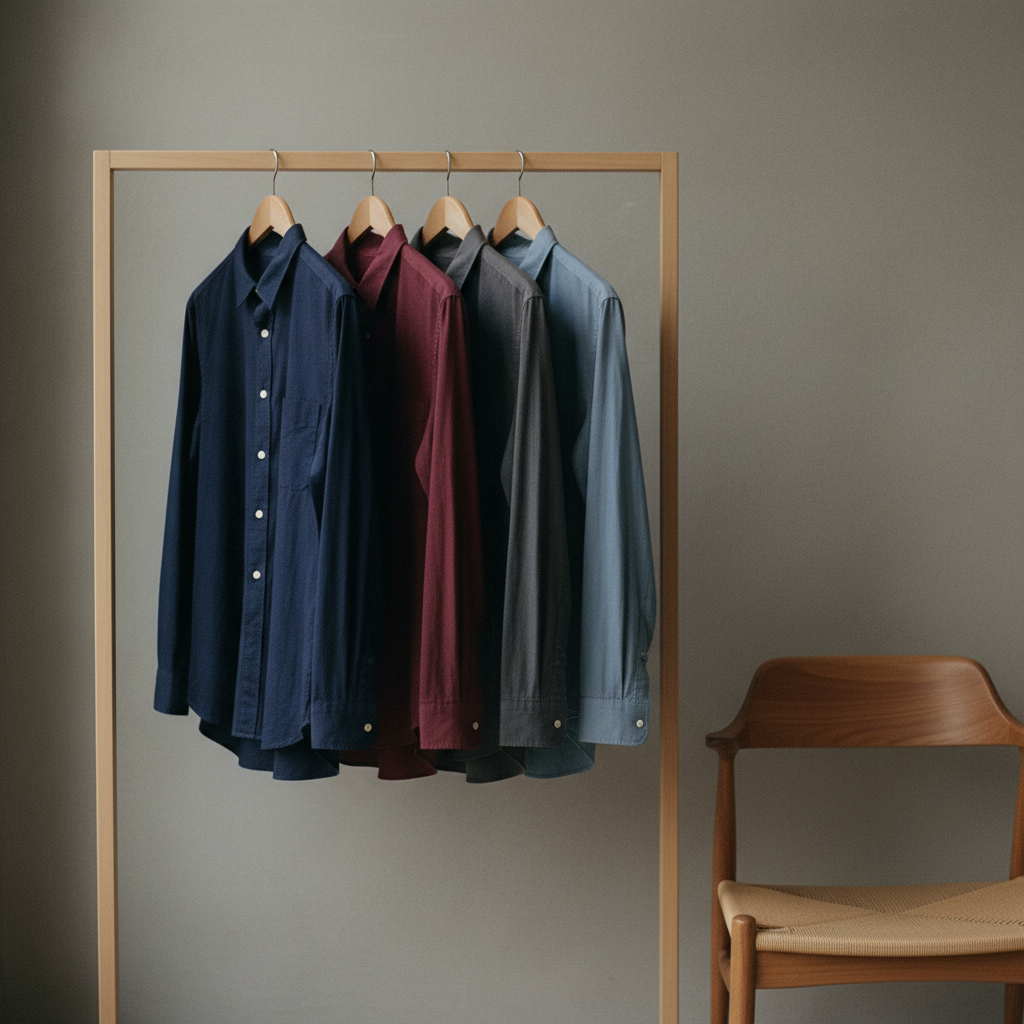
The Power of Neutrals and Jewel Tones: Deep blues, forest greens, and rich charcols tend to make eye colors pop and skin tones appear healthy. Avoid stark white, which can blow out under studio lights, and solid black, which can disappear into a dark background.
-
Character Hinting: If you are auditioning for a lawyer, a crisp collared shirt is sufficient. You don’t necessarily need the full three-piece suit. If you’re playing a blue-collar worker, a simple, clean Henley or a well-fitted t-shirt suggests the role without looking like a costume. Remember, the wardrobe should make you feel like the character, but it shouldn't feel like you're wearing a disguise. If you're constantly adjusting a lapel or pulling at a tight collar, it will bleed into your performance.
To Prop or Not to Prop? Managing Objects in Frame
Props are high-risk, high-reward. A well-placed prop can add a layer of "living" to a scene, providing you with physical business that prevents you from looking like a 'talking head.' However, a poorly chosen prop becomes a clumsy obstacle. The Golden Rule of Props: If the prop is not essential to the physical action described in the script, ask yourself if you can do without it. If you do choose to use a prop, ensure it is tactile and silent. Avoid plastic bags, clinking glassware, or anything that creates a sharp noise that will peak your microphone. A ceramic mug is the classic self-tape prop for a reason—it’s natural, it gives your hands something to do, and it’s a universal symbol of domestic or office life. When using a phone in a scene, never use a real, glowing screen. The blue light will reflect in your eyes and off your face, ruining the lighting balance. If you must use a phone, keep it off or use a dummy case. Better yet, simply hold the phone so the screen is never visible to the camera.
Physical Life and the 'Tight Frame'
One of the most effective ways to use self tape props and wardrobe is to consider the "physical life" of the character. This doesn't mean moving around the room, but rather how you interact with your immediate space. Consider the difference between a character who is "ready for a fight" and one who is "avoiding a conversation." A character avoiding a conversation might be obsessively folding a piece of paper or cleaning their spectacles. These small, grounded actions—when done with a specific prop—create a sense of reality. However, you must maintain your 'frame.' If your prop usage causes you to duck out of the light or move out of the tight medium shot, it’s a failure. Your props should be positioned so that your eyeline remains consistent with your reader. If you look down at a "newspaper" for too long, the casting director is looking at the top of your head, not your performance. Every interaction with an object must be designed to eventually lead the viewer back to your face.
The Final Check: Integration and Subtlety
Before you hit record, perform a quick "Visual Audit" of your setup. 1. Check the Contrast: Does your shirt color blend into your backdrop? You want to stand out, not disappear.
-
Sound Check the Props: Move the prop as you would in the scene. Does it make a distracting sound?
-
The 'Shiny' Factor: Check for reflections in glasses or on metallic props.
-
Movement Test: Does your wardrobe restrict your arms? Does your jewelry jingle when you move? (Pro-tip: Remove all bangles and loose watches). At Self Tape Secrets, we always remind our students: The best technical setup is the one the viewer forgets is there. Your wardrobe and props should be like a good film score—enhancing the emotion and the setting without ever calling for an encore of their own. Practice your scene once with the prop, then once without. Often, you'll find that the memory of the object is more powerful than the object itself.
Strategic Choices for Authentic Portrayal
“Props and wardrobe should always serve the story and the character, never distract from them. We advise actors to select items that genuinely feel like an extension of the role, rather than mere additions. The goal is to enhance authenticity and provide visual cues that deepen understanding of the character, ensuring every choice supports a seamless, believable performance.” — the Self Tapes Secrets team
Strategic Choices
“Props and wardrobe aren't just set dressing; they're powerful storytelling tools. We always advise actors to choose items that illuminate character, advance the scene, or highlight a specific relationship without distracting from their performance. Think of them as silent partners in your narrative, enhancing the viewer’s understanding rather than just occupying space.” — the Self Tapes Secrets team
Strategic Choices
“Props and wardrobe should always serve the story, never distract from it. We advise actors to select items that subtly enhance character and setting, providing visual context without drawing focus away from their performance. A well-chosen accessory or a specific color palette can convey significant information about your character’s circumstances or emotional state, making your audition more compelling and authentic.” — the Self Tapes Secrets team.
Strategic Choices for Authenticity
“Props and wardrobe aren't just accessories; they're crucial storytelling tools. We advise actors to select items that genuinely inform their character and the scene’s context, ensuring they enhance rather than distract from the performance. Every choice, from a specific type of book to a subtle garment detail, should deepen the viewer’s understanding of who your character is and what their moment entails.” — the Self Tapes Secrets team
Props & Wardrobe: Less is Often More
“Our philosophy for self-tapes is simple: props and wardrobe should always serve the story, not distract from it. If an item doesn’t actively enhance your character’s circumstances or emotional state, it’s probably best left out. A single, well-chosen accessory can be far more impactful than a cluttered scene, allowing your performance to remain the focal point.” — the Self Tapes Secrets team.
Props and Wardrobe: Less is More
“Our guiding principle for props and wardrobe in self-tapes is always
Strategic Use of Props & Wardrobe
“Props and wardrobe should always serve the story and the character, never distract from them. We always advise actors to prioritize authenticity; choose items that genuinely reflect the scene's context and your character's essence, ensuring every detail enhances your performance rather than overshadowing it.” — the Self Tapes Secrets team. This approach helps maintain focus on your acting, allowing casting directors to fully engage with your portrayal without unnecessary visual clutter. Thoughtful integration of these elements can significantly elevate your self-tape, making your audition more compelling and memorable.
Strategic Wardrobe Choices
When considering wardrobe for a self-tape, our team always advises prioritizing what serves the character and scene. Avoid anything distracting; the focus should remain on your performance. A simple, well-fitting top in a color that complements your skin tone can often be more effective than an elaborate costume piece that might overshadow your acting. It’s about creating a subtle enhancement, not a spectacle. Remember, every element in your frame should reinforce the story you're telling, not detract from it. We believe thoughtful choices here elevate the overall submission, showcasing your understanding of the role.
Frequently asked questions
What colors work best for self-tapes?
Opt for soft, solid colors like blues, grays, or jewel tones. Avoid intricate patterns, busy logos, or pure white/black, as these can cause camera focus issues or wash out your skin tone.
Should I use a real laptop or phone in my audition?
Generally, no. Mime the action of typing or holding a phone unless the script specifically requires a physical interaction that affects your movement or posture. Minimalist is always better.
How do I know if a prop is distracting?
Only use a prop if it is essential to the scene's emotional beat or physical rhythm. If you find yourself thinking more about the object than your scene partner, put it down.
About Self Tapes Secrets
Online coaching and resources that teach actors how to produce professional self-tapes and improve audition outcomes.
Expert services sold to organisations — legal, accounting, agency, consultancy, engineering.
request a quote or get in touch with Self Tapes SecretsNext step
Continue with Self Tapes Secrets
Online coaching and resources that teach actors how to produce professional self-tapes and improve audition outcomes.
Visit Self Tapes SecretsWritten with information published by Self Tapes Secrets.