The 2026 Festival Standard: Why Your Self-Tape Framing is the New First Impression
Master the 2026 self-tape standards. Learn the specific framing, lighting, and audio techniques required for top-tier film festivals and workshops.
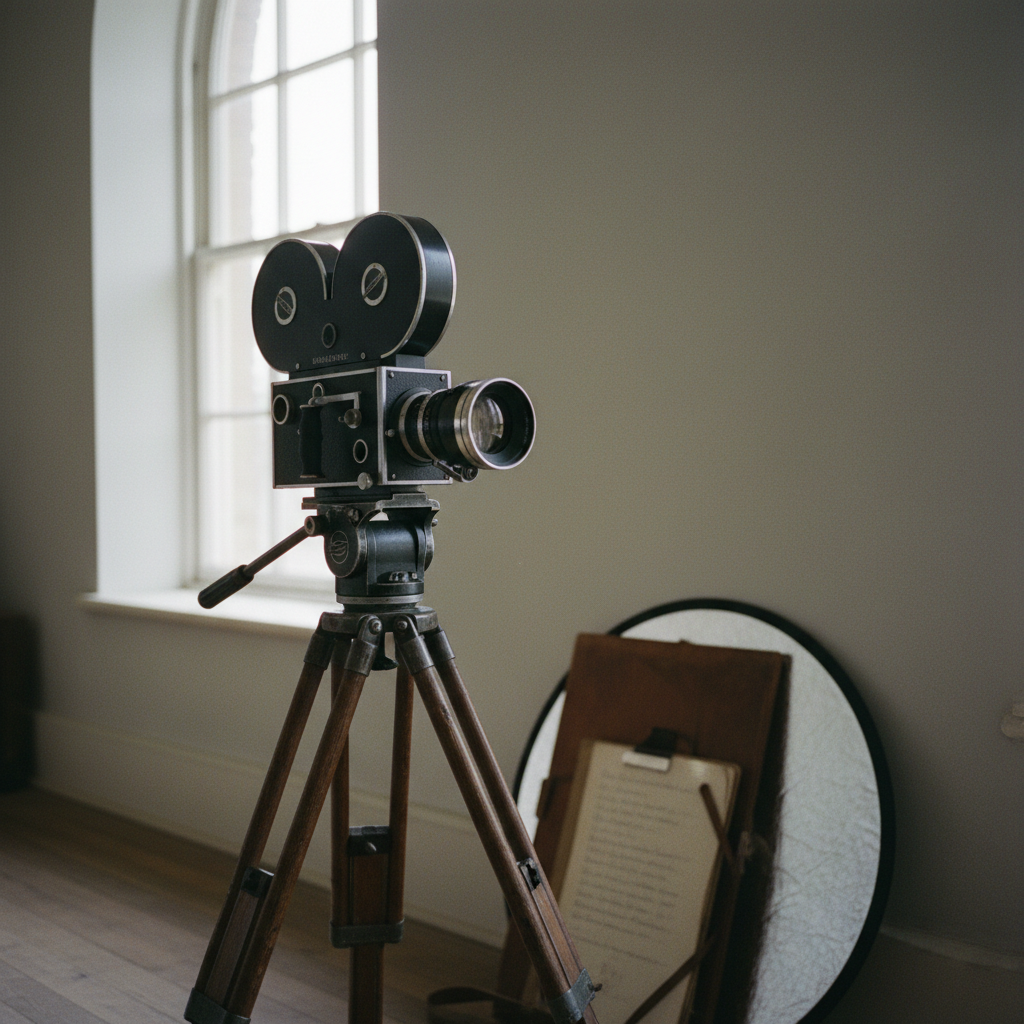
Beyond the Basics: The Evolution of the Audition
In the current landscape of international film festivals and prestigious acting workshops, the 'self-tape' has evolved from a temporary convenience into a rigorous aesthetic standard. It is no longer enough to simply be 'off-book' and visible. The industry has moved toward a cinematic expectation where the technical quality of your submission is viewed as a reflection of your professional taste and your understanding of the medium. When a casting director or a festival curator opens your file, the first frame—before you even speak—communicates your level of craft. This 'first impression' is built on the pillars of framing, lighting depth, and acoustic clarity. To meet the 2026 standard, an actor must view their self-tape space not as a corner of their bedroom, but as a controlled film set. This shift in mindset is what separates those who are merely 'seen' from those who are 'considered'.
The Architecture of Framing: Precision Over Proximity
The most common mistake in modern self-tapes is 'dead space.' The 2026 festival standard calls for a tight Medium Close-Up (MCU). This means the frame should begin at the mid-chest and end just an inch or two above the top of the head. Why this specific crop?
-
The Eye Line: It pulls the viewer’s focus directly to the eyes, where the nuance of a performance lives.
-
The Proscenium Effect: It mimics the way a cinematographer would frame a pivotal dramatic beat in a feature film.
-
Eliminating Distraction: By tightening the frame, you remove the peripheral 'noise' of your environment, forcing the auditor to deal exclusively with your emotional output. Horizontal orientation remains the non-negotiable standard. However, the 'standard' now demands a 16:9 aspect ratio with a clean, untextured background. The goal is to create a three-dimensional feel on a two-dimensional screen. Moving six inches away from your backdrop to create a soft shadow—or 'depth of field'—is now a requirement rather than a suggestion.
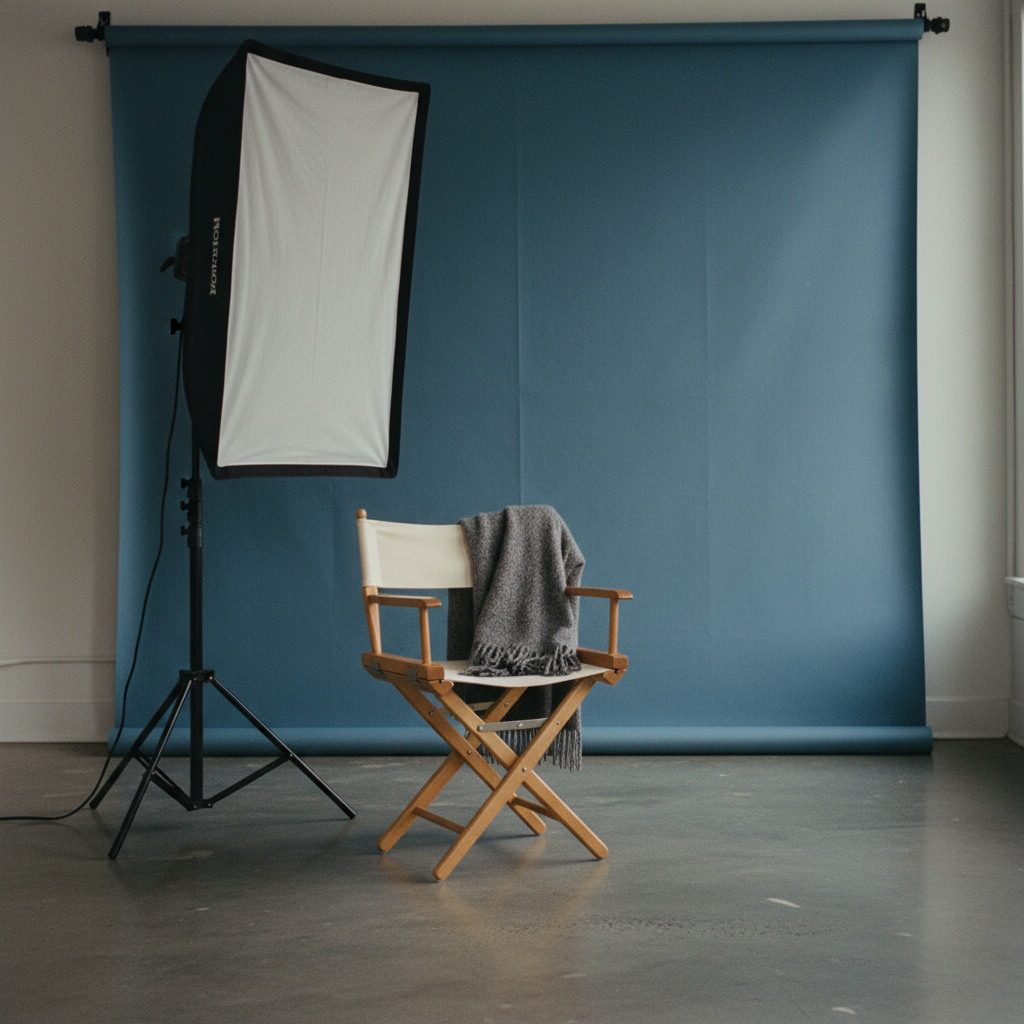
Lighting for Depth: Creating the Cinematic Glow
Lighting is the silent partner in your performance. In years past, 'brightness' was the goal. Today, the standard is 'dimension.' Festival-grade tapes utilize Three-Point Lighting (Key, Fill, and Backlight) to contour the face. The 'Key Light' should be soft—think of a large window on an overcast day or a diffused softbox. The 'Fill Light' maintains the detail in the shadows, ensuring that while you have shape, you don’t have 'dark patches' where expressions could be lost. The most often overlooked element is the 'Backlight' (or Hair Light), which subtly separates the actor from the background, providing a professional, crisp edge to the silhouette. Avoid the 'Ring Light' look. The circular reflection in the pupils has become associated with social media content rather than cinematic performance. Instead, aim for a 'Catchlight' that looks natural, as if you are standing in a real, lived-in space.
Sonic Clarity: The Quiet Power of High-Fidelity Audio
You can have a 4K image, but if your audio sounds like it was recorded in a tiled bathroom, the illusion of professionalism is shattered. The 2026 standard demands dry audio. This means a sound profile with zero reverb and minimal floor noise. Achieving this requires two things: a directional microphone (such as a shotgun mic or a high-quality lavalier) and room treatment. You don't need a sound booth; you need soft surfaces. Heavy curtains, rugs, and even open closets full of clothes can serve as natural baffles to soak up the 'bounce' of your voice. Remember, the microphone should be as close as possible without entering the frame. If the viewer has to turn their volume to 100% to hear your whisper, or if your shouts peak and distort, the tape will likely be discarded. The audio must be as intimate as the framing.
The Final Polish: Technical Delivery and Slating
The final hurdle is the 'The Standard Slate.' In the modern festival circuit, the slate is often requested at the end of the recording rather than the beginning. This allows the performance to be the first thing the viewer encounters. The technical specifications for the file itself are just as vital. 1. Resolution: 1080p is the sweet spot. 4K files are often too large for database uploads, and 720p looks dated on professional monitors.
-
File Naming: Never send a file named 'IMG_432.mp4'. The standard is [Name][Role][Project].
-
The Edit: Use clean 'dip to black' transitions only if necessary. Otherwise, a simple straight cut is preferred. By adhering to these specific technical standards—framing for intimacy, lighting for dimension, and recording for clarity—you demonstrate more than just acting ability. You demonstrate that you are a collaborator ready for the high-stakes environment of a professional film set. Your self-tape is your calling card; make sure it speaks the language of the industry.
First Impressions Are Framing
“Your self-tape framing isn't just about aesthetics; it's a critical narrative choice that impacts how casting directors perceive your character and professionalism. We believe that by 2026, consistent, high-quality framing will be as non-negotiable as good lighting, instantly communicating your understanding of screen presence and visual storytelling.” — the Self Tapes Secrets team. We've observed a significant shift in industry expectations, where thoughtful composition now directly influences whether an actor progresses to the next stage. It’s no longer just about the performance; it’s about presenting that performance within a professionally considered frame.
Frequently asked questions
What is the 'Golden Ratio' for self-tape framing?
Ideally, the bottom of the frame should cut at chest level (mid-sternum) with just a sliver of space above the head to ensure the viewer focuses entirely on your eyes.
Do I need a professional studio to meet these standards?
While professional gear helps, 'festival standard' refers mostly to the quality of light—aim for soft, diffused light that eliminates harsh shadows on the background.
What color should my backdrop be for a modern submission?
Backgrounds should be solid, neutral, and non-distracting. A deep blue, grey, or muted earth tone is currently preferred over stark white.
How important is the room's acoustics compared to the camera quality?
Casting directors now expect 'clean' audio, meaning no room echo. Using soft furnishings or acoustic foam to dampen sound is as important as the microphone itself.
About Self Tapes Secrets
Online coaching and resources that teach actors how to produce professional self-tapes and improve audition outcomes.
Expert services sold to organisations — legal, accounting, agency, consultancy, engineering.
request a quote or get in touch with Self Tapes SecretsNext step
Continue with Self Tapes Secrets
Online coaching and resources that teach actors how to produce professional self-tapes and improve audition outcomes.
Visit Self Tapes SecretsWritten with information published by Self Tapes Secrets.