The Kwacha’s Long Shadow: Why the 44% Devaluation Still Squeezes Your Wallet in 2026
Years after the 44% devaluation, see how the Malawi Kwacha's value continues to affect prices, wages, and household costs for families and businesses across Malawi.

The Lingering Shockwave of Devaluation
It has been years since the Reserve Bank of Malawi announced a 44% devaluation of the Kwacha in November 2023, a move that followed a 25% cut just the year before. While the initial headlines may have faded, the economic aftershocks continue to ripple through every Malawian household and business. Here at Malawifreedomnetwork, we've been tracking the real-world consequences beyond the macroeconomic charts. The stark reality is that the weakened Kwacha has permanently shifted the landscape of our economy, embedding higher costs and eroding purchasing power in ways that are still unfolding today. This isn't just about abstract exchange rates; it's about the price of maize at the local market, the cost of sending a child to school, and the viability of running a small business in Lilongwe or Blantyre.
Quantifying the Cost: What a Weaker Kwacha Means for Household Welfare
It's one thing to feel the pinch; it's another to see it quantified. Recent groundbreaking research from the University of Malawi’s Economics Department puts a startling figure on the impact. Their 2026 study reveals a direct and severe correlation: a mere 1% depreciation of the Kwacha reduces household welfare by a staggering 11.04%.
When you apply this multiplier to the major devaluations, the national cost becomes immense. Economists estimate that the back-to-back devaluations between 2022 and 2023 have erased the equivalent of K12 billion in welfare from Malawian households.
This loss of 'welfare' isn't just a technical term. It translates directly to:
-
Reduced Consumption: Families are forced to buy less, cut back on non-essential goods, and make difficult choices between needs.
-
Lower Real Income: Your salary, even if it hasn't been cut, buys significantly less than it used to. The value of your earnings has been hollowed out by inflation driven by the weak Kwacha.
-
Decreased Savings: With more income spent on immediate needs, the capacity for families to save for the future, invest in property, or build a buffer for emergencies is severely diminished.
Interestingly, the research shows that while all are affected, the mechanism of loss differs. Poor households are hit hardest through the erosion of real wage income. Non-poor households feel a double impact, losing out on both real wages and any profits or dividends from investments.
The Price at the Market: Your Food Bill is Devaluation's Frontline
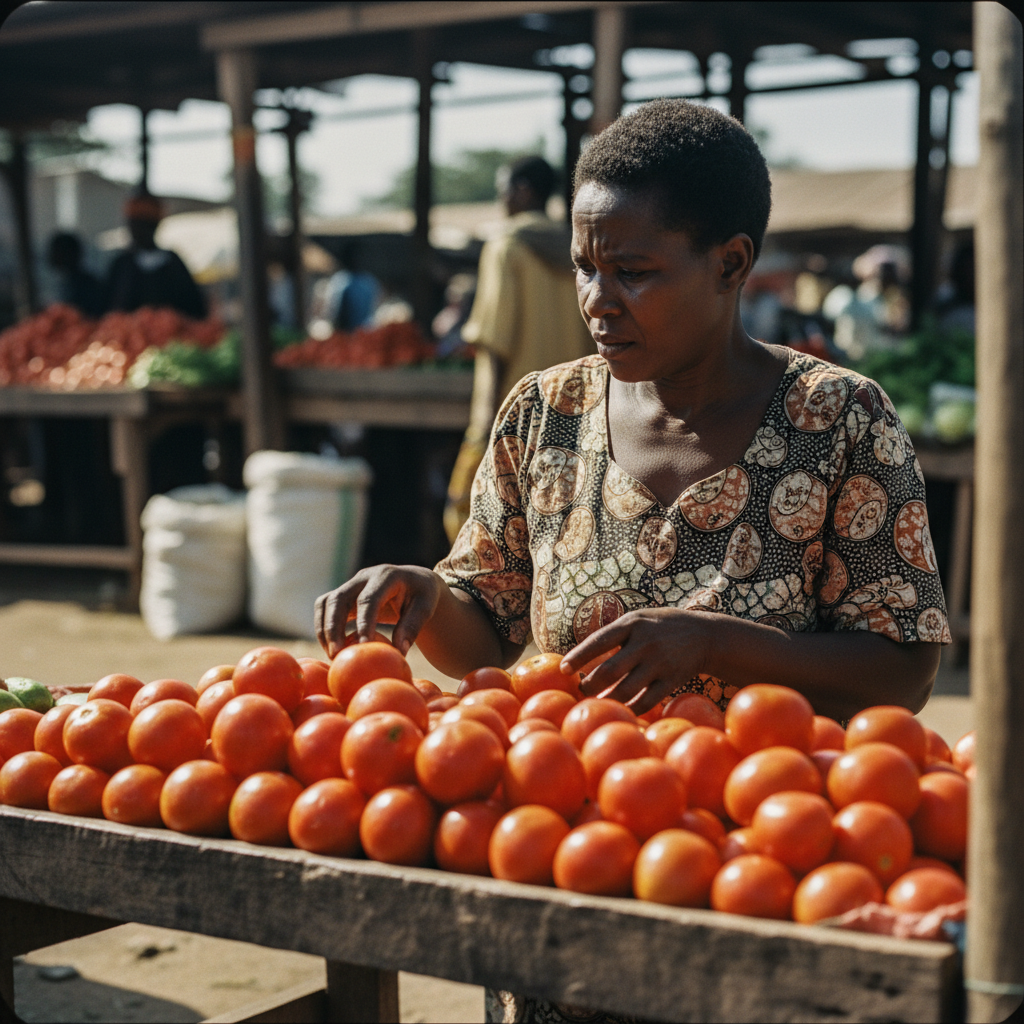
Nowhere is the impact of the devalued Kwacha felt more acutely than in the price of food. A weaker currency makes imports more expensive, and for an import-reliant economy like Malawi, that cost is passed directly to the consumer. This affects everything from cooking oil to fertiliser, the latter driving up the cost of locally grown produce.
Maize, our national staple, is a clear example. Market watchers warned in early 2026 that the price could surge to as high as K1,270 per kilogram by the end of the year, driven in part by higher input costs linked to the weak exchange rate. This single price point dictates the daily budget of millions.
Beyond staples, the cost of a nutritious diet has skyrocketed. The Food and Agriculture Organization (FAO) reports the price of a healthy diet in Malawi more than doubled in just eight years. As of recent estimates, a family would need over K263,000 per month simply to eat healthily—a sum that is, in their words, "wildly out of reach for most households."
This creates a painful trade-off for families, a choice between 'eating enough' and 'eating well.' With over 70% of the population living on less than $3 a day, the reality is that the devalued Kwacha has pushed basic nutrition out of reach for the majority, with long-term consequences for health and development.
Beyond the Kitchen Table: Non-Food Costs and Business Struggles
The devaluation's impact extends far beyond the food basket. The cost of doing business has risen sharply, a burden that ultimately lands on the consumer.
-
Transport and Fuel: Sharp fuel price adjustments, made necessary by the higher cost of importing petroleum in a weakened currency, increase the cost of everything. Minibus fares rise, commodity transport becomes more expensive, and the price of goods on the shelf reflects this.
-
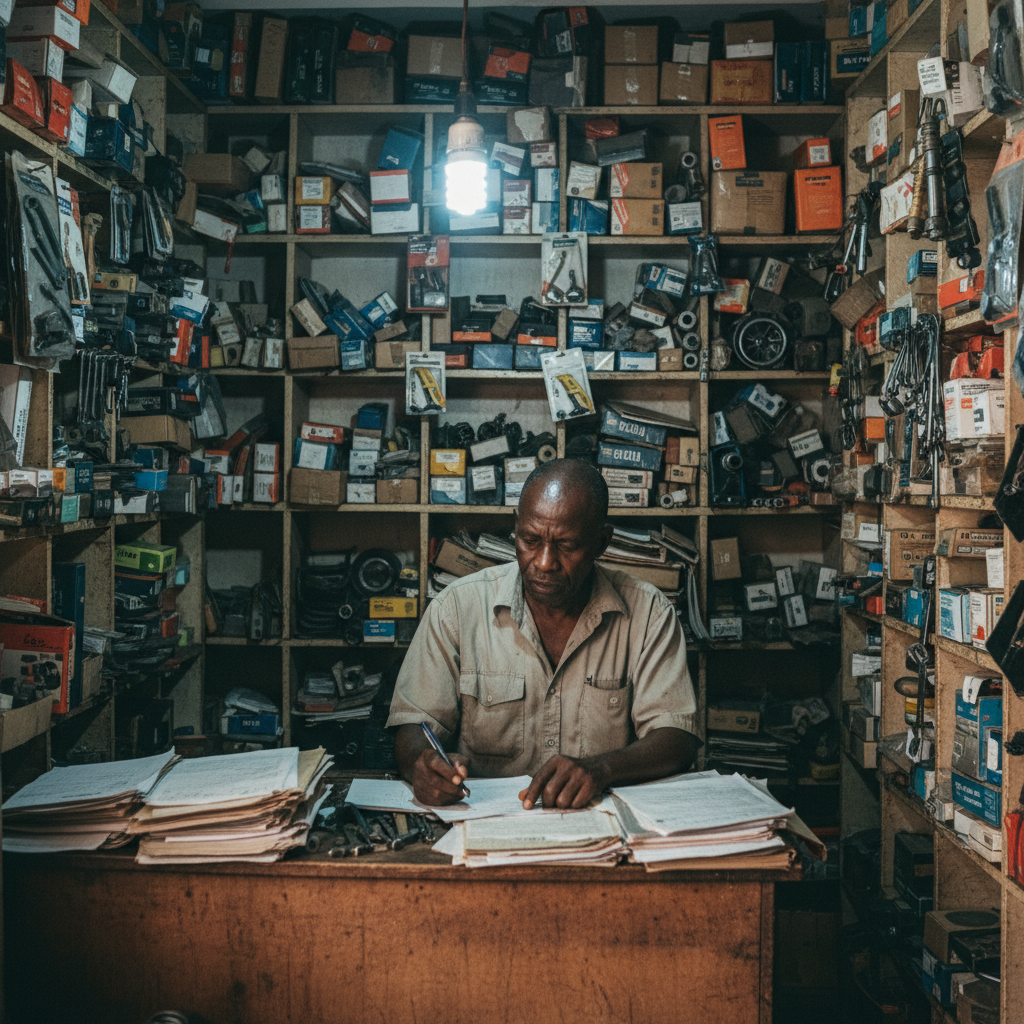
Business Operations: Companies that rely on imported raw materials, software, or machinery face immense pressure. The chronic foreign exchange (forex) shortages mean businesses cannot easily pay international suppliers, leading to production delays and scarcity of certain goods.
-
Utilities and Services: Even services that seem local, like mobile phone networks, are affected. As detailed in our reporting at Malawifreedomnetwork, operators need forex to pay for international bandwidth and maintain infrastructure. Forex scarcity can lead to service disruptions and delayed upgrades, impacting everything from mobile money transfers to simple communication.
For Malawian entrepreneurs and small businesses, this environment is stifling. It makes planning impossible, erodes profit margins, and turns routine transactions into stressful hurdles. When businesses struggle, it limits job creation and suppresses overall economic growth, creating a vicious cycle.
Navigating the New Reality: Strategies for Households and Businesses
While the macroeconomic forces are powerful, individuals and businesses are not helpless. Adapting to this high-cost environment requires proactive financial management and strategic shifts.
For Households:
-
Prioritise Debt Management: High-interest debt becomes even more burdensome when your purchasing power is falling. Focus on paying down expensive loans where possible.
-
Scrutinise Subscriptions & Non-Essentials: Review recurring payments. In an environment where every Kwacha counts, cutting back on non-essential services can free up vital cash for necessities like food and transport.
-
Embrace Local Sourcing: Where possible, favour locally produced goods and produce. This not only supports Malawian businesses but can also shield you from the volatility of import prices.
For Businesses:
-
Re-evaluate Supply Chains: Can you source raw materials or services from within Malawi or the SADC region to reduce reliance on US Dollar-based transactions?
-
Focus on Forex Efficiency: Invoice international clients in foreign currency where possible. Consolidate foreign payments to minimise transaction fees and navigate bank processes more effectively.
-
Transparent Pricing: Communicate with your customers. Explaining that price adjustments are linked to unavoidable input cost increases can help maintain loyalty better than surprise hikes. For businesses looking to reach a broad, informed audience, consider advertising platforms like malawifreedomnetwork.com to share your story and value proposition.
The Path Forward: Policy, Transparency, and Resilience
The 2023 devaluation was framed as a necessary, if painful, step to align the Kwacha with market realities and curb unsustainable import patterns. However, its lingering impact underscores that currency adjustments alone are not a panacea. Sustainable recovery requires a multi-pronged approach focused on boosting productivity, expanding exports, and ensuring disciplined fiscal and monetary policy.
For the average citizen and business owner, the most critical need is stability and predictability. This includes greater transparency from authorities on economic policy and improved access to foreign exchange to allow the engines of commerce to run smoothly. As a digital media platform, Malawifreedomnetwork remains committed to providing the in-depth reporting and analysis necessary for Malawians to understand these complex issues and hold decision-makers accountable.
Building resilience in the face of these economic shocks is a collective effort. It involves prudent household budgeting, innovative business strategies, and a clear-eyed national policy focused on long-term stability over short-term fixes. To stay informed on these crucial economic developments, consider subscribing to our newsletter for regular updates and analysis.
Frequently asked questions
Will the Malawi Kwacha be devalued again in 2026?
It's impossible to predict with certainty. However, the key factors that led to past devaluations—namely, a persistent gap between the official and parallel market exchange rates and chronic foreign exchange shortages—are still present. The Reserve Bank of Malawi's future actions will depend on inflation trends, forex reserve levels, and agreements with international partners like the IMF. As long as structural economic challenges remain, further adjustments cannot be ruled out.
How does the Kwacha's value affect the price of fuel in Malawi?
Malawi imports all of its petroleum products, which are purchased on the international market in US dollars. When the Kwacha is devalued, it takes more Kwacha to buy the same amount of US dollars. This directly increases the landed cost of fuel. The Malawi Energy Regulatory Authority (MERA) adjusts pump prices based on this landed cost, meaning a weaker Kwacha almost always leads to higher fuel prices for consumers.
Why did the 44% devaluation happen?
The Reserve Bank of Malawi implemented the 44% devaluation in November 2023 primarily to address a severe misalignment between the official exchange rate and the rate on the parallel (or 'black') market. Forex was scarce at the official rate, forcing importers to buy it at a high premium on the parallel market. The devaluation was an attempt to close this gap, formalise the true market price of the currency, and satisfy conditions for an IMF extended credit facility.
As a small business owner, how can I protect my business from currency fluctuations?
While you can't control the exchange rate, you can take steps to mitigate risk. If you import goods, try to negotiate longer payment terms or hold strategic levels of stock if possible. If you export, invoice your clients in a stable foreign currency like the US Dollar. Diversifying your supplier base to include local options can also reduce your forex dependency. Staying informed through reliable news sources like Malawifreedomnetwork helps you anticipate potential challenges.
Does the devaluation affect people in rural and urban areas differently?
Yes, the impact varies. Urban households, often more reliant on salaried jobs and imported goods, feel the squeeze from both lower real wages and higher prices for food and services. Rural households, particularly those in subsistence farming, may be slightly more insulated if they produce their own food. However, they are still hit hard by the rising cost of essential goods they must buy, like salt, soap, and fertiliser, as well as increased transport costs.
How is the government responding to the high cost of living?
The government's response has included implementing social cash transfer programs to cushion the most vulnerable households and engaging with partners like the IMF to secure financial support for the economy. Policy efforts are also directed at boosting agricultural productivity to increase food supply and control food inflation. However, the scale of the challenge is immense, with a recent report noting that nearly half the population still cannot afford a basic basket of goods.
About Malawifreedomnetwork
Malawi Freedom Network is an online news/media publisher that publishes news articles and editorial content focused on Malawi and international affairs. It operates a website for readers and offers advertising space to advertisers who want to reach its audience in Malawi.
A site whose product is the content, audience or community itself.
start a trial, sign up or subscribe with MalawifreedomnetworkNext step
Continue with Malawifreedomnetwork
Malawi Freedom Network is an online news/media publisher that publishes news articles and editorial content focused on Malawi and international affairs. It operates a website for readers and offers advertising space to advertisers who want to reach its audience in Malawi.
Visit MalawifreedomnetworkWritten with information published by Malawifreedomnetwork.
Keep reading
A detailed guide for South African observers on the parliamentary inquiry into the Chikangawa plane crash. Understand the phases, timelines, and key players.
A step-by-step guide to the crucial August-September 2026 parliamentary hearings on the Chikangawa plane crash, including phases, key witnesses, and what to expect.
A complete, authoritative timeline of the Chikangawa plane crash investigation, from the June 2024 incident to the 2026 parliamentary inquiry and what comes next.
A plain-language explainer for international observers on the forensic pathology phase of the Chikangawa plane crash inquiry and its implications for accountability in Malawi.